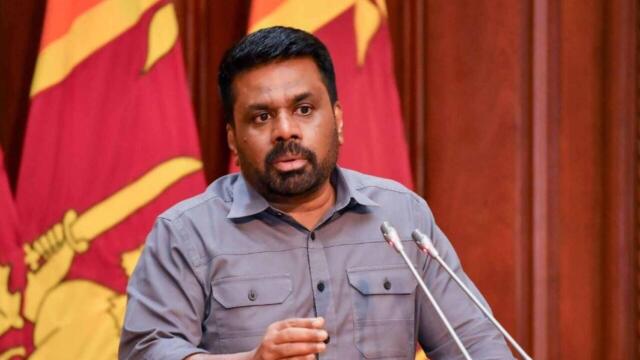
The Government has begun a two-year programme to rebuild transport facilities damaged by Cyclone Ditwah, with Rs. 125 billion allocated, Leader of the House and Transport Minister Bimal Ratnayake told Parliament on Friday.
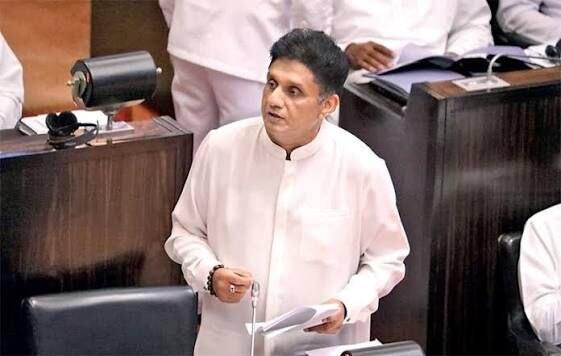
Opposition Leader Sajith Premadasa told the same sitting that the Government has yet to finish reconstruction work or pay compensation to people affected by the cyclone. He said this was the case even though Rs. 50 billion was allocated through a supplementary estimate last year.
“It was proven that Sri Lanka’s disaster management system has failed. This was proven during the cyclone disaster of last year,” Premadasa said. He said the country needs a shift from a disaster relief focus to a disaster resilience focus, with a system aimed at reducing the effects of future disasters.
Ratnayake said the programme covers the rebuilding of roads, bridges and other transport facilities. “We assure that the Ditwah rehabilitation work will be expedited and completed as soon as possible,” he said.
The Minister also gave two other figures. He said Rs. 49,080 million has been allocated for reconstructing houses affected by the cyclone, and Rs. 29,537 million for relief and compensation to affected people.
Parliament marked the first anniversary of the disaster by observing two minutes of silence for those who died.
Background
Cyclone Ditwah struck Sri Lanka in November 2025. Its impact was felt in many parts of the country, and the Government later moved funds through a supplementary estimate, a request for extra spending approval from Parliament outside the main annual Budget, to pay for recovery work.
Sri Lanka’s disaster management framework includes the Disaster Management Centre and local authorities. Relief usually means short-term help such as emergency supplies, shelter and cash grants. Resilience refers to longer-term measures that reduce damage in the first place, such as early warning systems, safer building standards and better-protected infrastructure. Premadasa’s remarks drew on that distinction.
The figures given in Parliament come from the two speakers and have not been independently compared in this report. The Government and the Opposition gave different accounts of how far recovery has progressed after one year.
What it means
For households that lost homes or income in the cyclone, the key questions are when compensation reaches them and when damaged houses are rebuilt. The Minister’s figures show that separate amounts have been set aside for housing and for relief and compensation, in addition to the transport programme.
For travellers and businesses in affected areas, the two-year timeline for roads, bridges and other transport facilities means that repair work may continue on some routes for a long period. Affected residents who have not received compensation can ask their Divisional Secretariat, which handles relief payments at local level, about the status of their claims.