The Government of Sri Lanka, the European Union (EU) and the United Nations Development Programme (UNDP) have announced a 24-month project to improve how the country prepares for and responds to disasters, with pilot work in the Badulla and Matara districts.
The project, titled “Strengthening Sri Lanka’s Disaster Risk Management Framework”, is funded by the EU through its Directorate-General for European Civil Protection and Humanitarian Aid Operations (DG ECHO). UNDP is implementing it with the Disaster Management Division of the Ministry of Defence, the Disaster Management Centre (DMC) and Save the Children International.
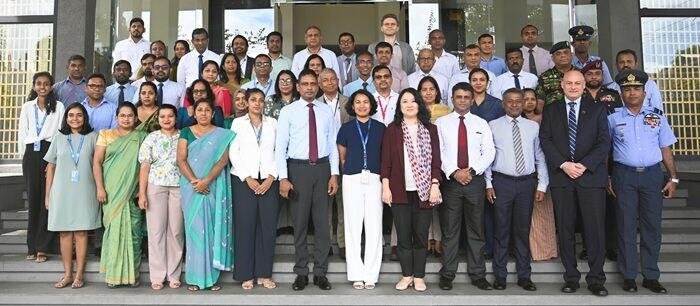
It was announced at an inception workshop attended by government institutions, the EU, UNDP and development partners, which reviewed the objectives, planned activities and implementation arrangements.
At the national level, UNDP will work with the Disaster Management Division, the DMC and the National Disaster Relief Services Centre. The project will support a review of the legal, institutional and coordination arrangements for disaster risk management, and will strengthen standard operating procedures and the steps that turn a warning into action.
In Badulla and Matara, the project will develop and test a government-led model with local government, schools and communities. Work will cover preparedness planning, the spread of early warnings, coordination, simulation exercises and early action. Save the Children International will lead this part.
The project is expected to directly benefit about 3,260 community members in the two pilot areas and to involve about 3,200 government officials and technical personnel across the country. Organisers said the work would pay attention to making preparedness sensitive to gender and age, and inclusive of people with disabilities, including through accessible risk communication.
Background
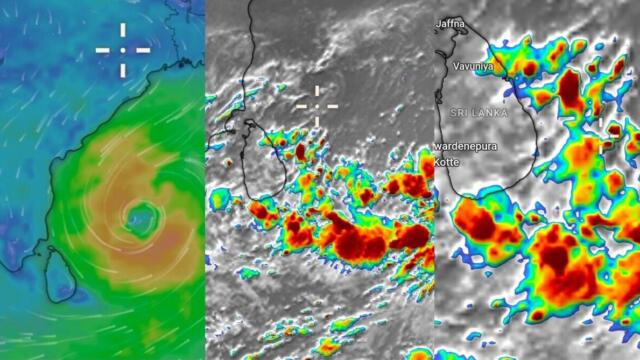
Sri Lanka is exposed to floods, landslides, cyclones, extreme rainfall, droughts and coastal hazards, according to the project partners. They said recent disasters had underlined the need to improve coordination and to turn early-warning information into timely action, from the national level down to communities.
Mahinda Gunaratne, Director General (Planning) at the Disaster Management Division of the Ministry of Defence, said emergency response and relief remain essential but that more emphasis must be placed on anticipating risks and ensuring early warnings lead to timely action. He said effective disaster risk management depends on clear institutional responsibilities and the participation of communities.
Pradeep Kodippili, Director (Training and Awareness) at the DMC, said the project would let the centre review existing arrangements and identify good practices from selected communities that could help preparedness efforts elsewhere in the country.
Marina Ten, Deputy Resident Representative of UNDP in Sri Lanka, said recovery from Cyclone Ditwah offered an opportunity to strengthen the systems that protect communities from future disasters, by clarifying institutional responsibilities and improving local preparedness and early warning. Seuwandi Yapa, Programme Manager in the Cooperation Section of the EU Delegation, said the EU supports preparedness and approaches that let authorities and communities act before a crisis escalates.
What it means
For residents of the two pilot districts, the project is meant to bring practical changes to local preparedness, such as better planning, clearer warnings and drills involving schools and communities. The partners said lessons from Badulla and Matara would feed into national coordination and policy, so that experience could later be applied elsewhere in Sri Lanka.
The partners said the project is designed to work through existing government systems rather than set up parallel structures. No national rollout date was given in the announcement.