Sri Lanka’s mission to the European Union in Brussels has said the country must reapply for the EU’s GSP+ trade concession scheme under new rules before 31 December 2028.
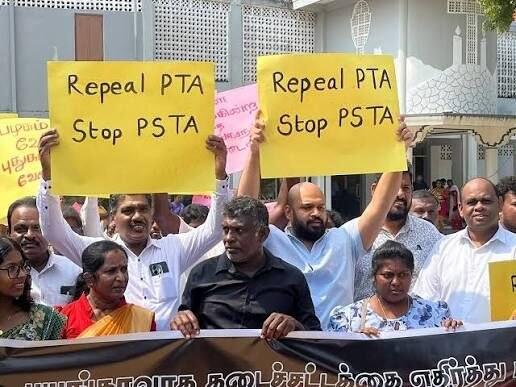
The statement followed an EU warning that the proposed Protection of the State from Terrorism Act (PSTA) could put Sri Lanka’s continued access to GSP+ at risk.
The Sri Lanka Embassy in Brussels said the revised EU Generalised Scheme of Preferences (GSP) will take effect from 1 January 2027. All GSP+ beneficiaries, including Sri Lanka, must reapply under the new cycle, it said. Sri Lanka will keep its GSP+ benefits during a transitional period from 1 January 2027 to 31 December 2028 and remains committed to reapplying, the mission said.
The EU has urged Sri Lanka to narrow the definition of terrorism in the draft law to bring it in line with international standards. Critics and legal bodies say the current draft defines terrorism too broadly and could criminalise peaceful protest, civil society work or political dissent.
The mission issued its statement after a high-level European Commission conference in Brussels on 4 November 2026, which marked 25 years of the EU’s Everything But Arms (EBA) arrangement and introduced the new GSP. Ambassador Chandana Weerasena and Minister (Commercial) Thavishya Mullegamgoda represented Sri Lanka. Yohan Lawrence, Secretary-General of the Joint Apparel Association Forum of Sri Lanka, spoke on a panel on business opportunities through GSP and EBA.
Weerasena asked the European Commission’s Directorate-General for International Partnerships to organise an investment forum in Sri Lanka with European investors, the mission said.
Background
GSP+ is the EU’s special incentive arrangement for vulnerable developing countries. It lowers or removes import duties on many products in return for commitments to implement international conventions on human rights, labour rights, environmental protection and good governance. The EU monitors beneficiaries’ compliance.
Sri Lanka lost GSP+ in 2010 and regained it in 2017. Successive EU reviews have raised concerns about the Prevention of Terrorism Act (PTA), the existing law that the PSTA is intended to replace.
The embassy gave these figures: apparel generates about US$ 5 billion a year and accounts for more than 40 percent of Sri Lanka’s merchandise exports. The EU takes slightly more than 30 percent of apparel exports. In the first half of 2026, Sri Lanka exported US$ 705 million worth of apparel to the EU, largely under GSP+ preferences. Fabric and textiles contributed about US$ 522 million.
What it means
Apparel is Sri Lanka’s largest export sector, and the mission said GSP+ preferences support the livelihoods of hundreds of thousands of people. Any loss of the concession would raise the cost of Sri Lankan goods in the EU market, which could affect factory orders and jobs.
For now, duty benefits continue until the end of 2028. Whether Sri Lanka qualifies under the new cycle will depend on its application and on the EU’s assessment of its commitments, including the final shape of the terrorism law.