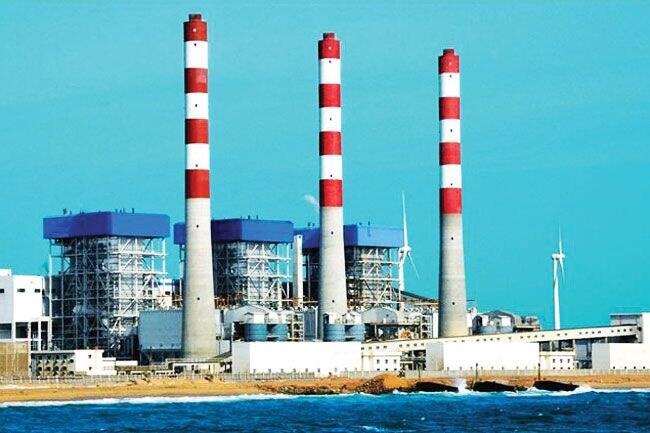
The Norochcholai coal power plant is expected to resume generation on Thursday, after a shutdown that left the national grid short of electricity and forced scheduled power cuts, the head of the National System Operator said.
National System Operator (Pvt.) Ltd. Chairman B. L. Pradeep Priyadarshan Perera told the Daily Mirror by telephone on Tuesday that the shutdown had caused a shortfall of 250 megawatts.
“These days, we need 2,800 megawatts of electricity to meet nighttime demand, but we are currently facing a shortfall,” he said. On Monday night, the system could supply only 2,570 megawatts.
He said furnace oil is being used to generate additional power while the plant is offline. Power cuts continued across the country on Tuesday and were expected to continue, The Island reported.
The National System Operator did not state a cause for the latest shutdown, but its chairman explained why coal plants can trip offline. A nationwide blackout can shut the Norochcholai Lakvijaya plant down, he said, because the plant itself needs a continuous supply of electricity to operate safely.
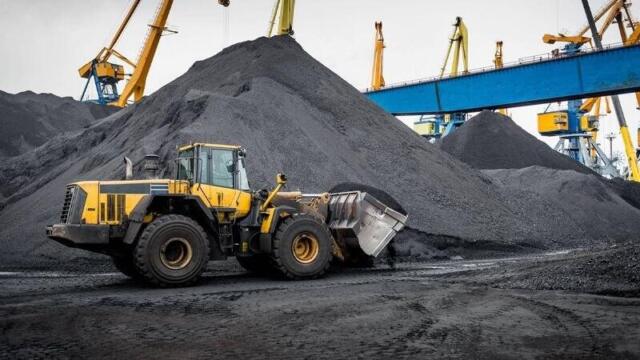
Besides feeding the national grid, the plant uses power for auxiliary systems. These include the coal-feeding systems that carry coal to the boilers, fans and pumps that keep combustion going and circulate water, cooling-water pumps that remove heat from equipment, and the control systems that monitor and regulate operations.
The chairman said that under normal conditions these systems draw electricity from the plant’s own generators or from an external supply. If a major grid disturbance disconnects a generator from the national grid, the plant must keep or quickly restore power to those systems. If the supply is cut, protective systems may trip the generating unit to prevent damage to equipment.
Background
The Lakvijaya Power Station at Norochcholai in the Puttalam District is Sri Lanka’s largest coal-fired power plant. It has three 300-megawatt units and supplies a large share of the electricity on the national grid, so an outage there has an immediate effect on supply.
Evening demand is the hardest period for the grid. In the daytime, solar generation helps cover demand, but it falls away after sunset, when households switch on lights, cookers and appliances at the same time.
The coal supply to the country’s power plants is also under scrutiny. The Island reported that a Presidential Commission of Inquiry into alleged irregularities in coal imports and coal-fired power generation has been given an extension until 16 December.
What it means
Households and businesses should expect scheduled power cuts to continue until the plant is back in service. If the plant resumes generation as planned on Thursday, the shortfall of 250 megawatts would be reduced, though the schedule for ending the cuts has not been announced.
Generating extra electricity from furnace oil is generally more costly than using coal, which adds to the expense of keeping supply going while Norochcholai is out. The chairman’s figures show that nighttime demand of 2,800 megawatts was not being met in full earlier this week.