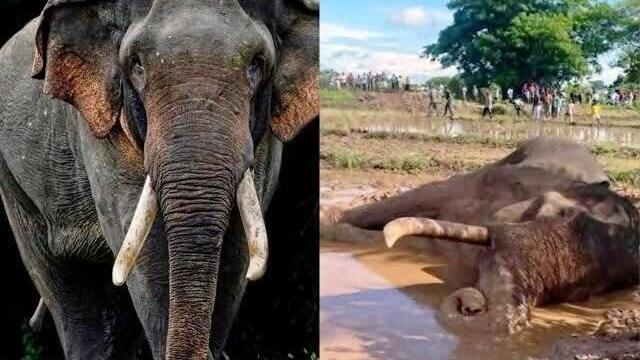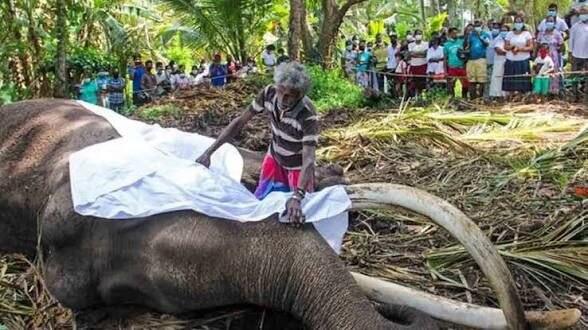
A total of 455 wild elephants were killed in Sri Lanka in 2025, up from 388 in 2024, according to a document tabled in Parliament by Environment Minister Dhammika Patabendi.
The figure is 67 higher than the year before, an increase of about 17 percent. It works out at more than one elephant a day on average.
The same document said 160 people were killed by elephants in 2025 and 221 were injured in elephant attacks. That is roughly one human death every two to three days.
The minister tabled the document in reply to a question from MP L. M. Abeywickrama.
It also gave figures on the electric fences used to keep elephants away from farmland and villages. The total length of fences erected stands at 5,787.89 kilometres, and Rs. 618.89 million was spent on erecting fences in 2025.
Background
Conflict between people and wild elephants is one of the most persistent problems in rural Sri Lanka. It is most often reported where farmland, villages and forest meet, and both elephants and people die in these encounters each year.
Electric fencing is among the main measures used to keep elephants out of cultivated land and settlements. Wild elephants are covered by the Fauna and Flora Protection Ordinance, and the Department of Wildlife Conservation is the state agency responsible for their protection.
The figures were tabled in the same week that a presidential expert committee held its first meeting on the death of the tusker Kawanthissa, who died on or around 16 October in the Siyambalangamuwa area of Galgamuwa. President Anura Kumara Dissanayake asked that committee to develop standard operating procedures for the welfare of wild elephants and to recommend a national elephant conservation programme.
What it means
For families and farmers living near forest areas, the figures show that elephant attacks remain a regular risk to life, with 160 deaths and 221 injuries recorded in a single year. Crops and homes in such areas are also exposed, although the document as reported did not give figures for property or crop damage.
The numbers also give a measure against which the state’s fencing spending and any new national conservation programme can be judged in future years.