Scheduled power cuts continued across Sri Lanka on Tuesday and will go on into Wednesday after all three units at the Norochcholai coal power plant shut down.
The Public Utilities Commission of Sri Lanka (PUCSL) said it approved the cuts on Monday, 19 October, following a request by the National System Operator (NSO).
Under the schedule the country is divided into four zones, and each zone faces a one-hour cut between 4.30 p.m. and 9 p.m. Hospitals and locations providing essential services are exempt.
The three generating units at the Lakvijaya Power Plant have been out of operation since the countrywide power failure on Saturday, 17 October. NSO Chief Executive Officer Buddhika Samarasekara said the cuts were necessary on Tuesday and Wednesday.
Bandula Chandrasekera, a former chairman of Lanka Electricity Company (Private) Limited (LECO) and now a consumer rights activist, said the use of low-quality coal over a period of time had led to the crisis at the plant. He said the government had declared that the cuts would be limited to three days, but warned that the situation could worsen.
Chandrasekera was responding to the government’s position that Saturday’s sudden drop in generation was not caused by the quality of the coal. He said the failure lasted from 11.43 a.m. to 11 p.m. and put the cost of the outage at about Rs. 16 billion, rising to as much as Rs. 20 billion when the expense of hydro and thermal generation is included.
Background
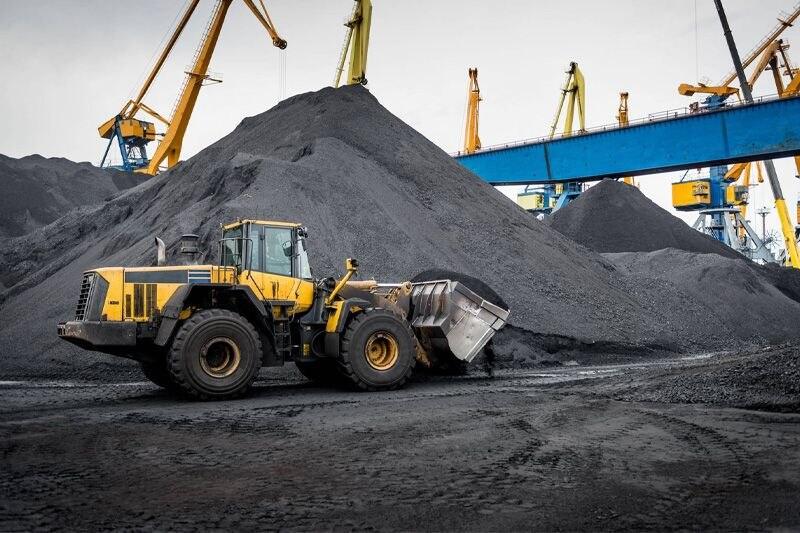
Norochcholai in the Puttalam District is home to the country’s only coal-fired power station. Chandrasekera said problems began in December 2025, when the plant started using coal from a new supplier, and that the Auditor General challenged the selection of that supplier in a special report to Parliament in April this year.
He also said an investigation ordered by the PUCSL found that low-quality coal had a detrimental impact on the plant, and that a seven-member committee appointed by Parliament accepted that substandard coal had been procured. These are his statements, and the government disputes that coal quality caused Saturday’s failure.
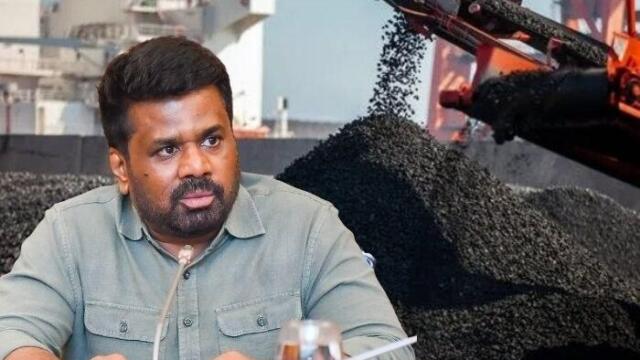
Separately, a Presidential Commission of Inquiry into coal imports and coal-fired power generation, set up on 17 April 2026 and chaired by Supreme Court Justice Gihan Kulatunga, has been given until 16 December 2026 to submit its final report. President Anura Kumara Dissanayake extended the deadline. The Commission is examining coal procurement, quality testing and plant operations, and whether the state suffered financial losses.
What it means
Households and businesses in the four zones should expect one-hour interruptions during the evening window set by the NSO, while hospitals and other essential services are exempt.
The NSO said the cuts were needed on Tuesday and Wednesday. The Presidential Commission, which can examine any related irregularities it finds, is due to report in December.