Sri Lanka’s proposed replacement for the Prevention of Terrorism Act (PTA) could put the country’s duty-free access to European markets at risk, apparel exporters and legal experts have warned.
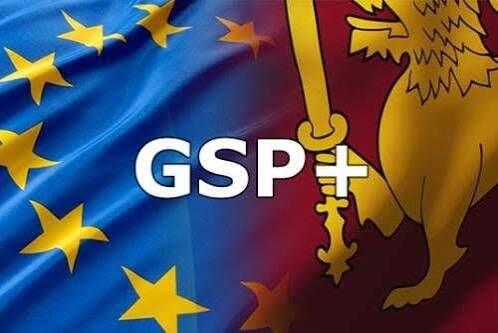
The Protection of the State from Terrorism Bill (PSTA) is meant to replace the PTA, which has been criticised for decades. The Joint Apparel Association Forum (JAAF) said in a statement on October 18 that the Bill’s broad powers and limited judicial oversight could threaten the European Union’s GSP+ trade concession. “GSP+ is not a gift but grants Sri Lankan goods duty-free EU access, conditional on compliance with 27 international conventions covering human rights, labour rights and environmental protection,” JAAF said. The list is due to grow to 32 conventions in 2027–28, and Sri Lanka has applied for renewal of GSP+ status in 2027.
Apparel is the country’s biggest export, worth about US$5 billion a year and more than 40 percent of merchandise exports, according to figures cited by Lanka Business Online. The EU takes a little over 30 percent of the total. In the first half of the year Sri Lanka exported US$705 million of apparel to the EU, but those exports were 8 percent lower than in the same period of 2025, while EU apparel imports from China rose 5 percent and from Vietnam 9 percent.
Legal experts who have followed four attempts at PTA reform since 2018 say the text improves on earlier drafts but still falls short. Their complaints include a wide definition of “terrorism” that covers damaging public property and some forms of publishing, and a power for the President to proscribe any organisation on “reasonable grounds” with no court involved. Under the Bill, movement orders could run for 72 hours before a judge sees them, and detention orders could last two months and be renewed for up to a year. Armed forces personnel and the coast guard would be able to stop, search, arrest and hold people for 48 hours, powers that, unlike emergency rule, would not need monthly renewal by Parliament.
Media rights groups filed a petition in the Supreme Court on October 17 challenging the Bill’s constitutionality. Free Media Movement executive committee members Udaya Kalupathirana and Hana Ibrahim argued that Section 15, which criminalises withholding information, does not adequately protect confidential sources and whistleblowers. Transparency International Sri Lanka has urged the Government to withdraw the Bill.
Background
The PTA was enacted as a temporary measure in 1979. Its use has disproportionately affected Tamil and Muslim minorities, journalists, rights activists and religious leaders, which has led to repeated international calls for its repeal.
GSP+ gives eligible developing countries preferential access to European markets in return for compliance with international conventions. The UN and the EU have said for years that any replacement for the PTA must meet those standards, including narrow definitions, protection for association, assembly and expression, and courts able to check the Executive.
What it means
Export-oriented manufacturing in free trade zones and affiliated industries employs about 140,000 workers, and JAAF has said the trade concession supports hundreds of thousands of jobs. Katunayake Free Trade Zone worker Niroshani Manel, 52, told UCA News that the proposed law could threaten job security, wages and working conditions and discourage workers from demanding fair treatment.
The Bill has not yet become law. If the EU judged that the final text fell short of the conventions, the concession could be questioned during the 2027 renewal, which is why exporters, workers and rights groups are watching how Parliament and the courts respond.