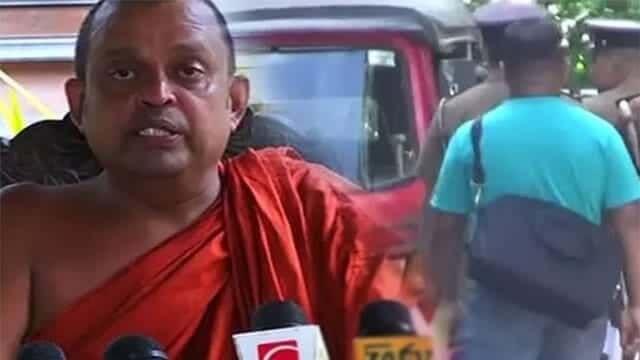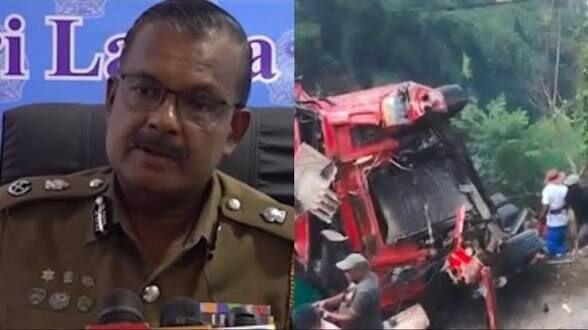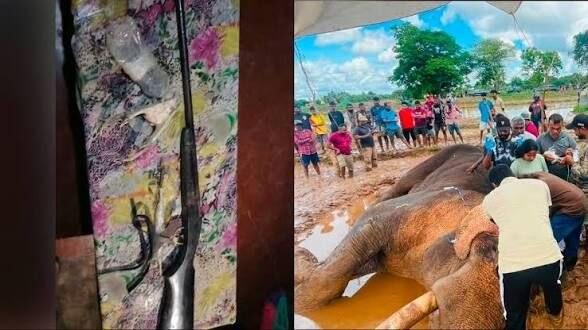
Two suspects arrested over the shooting of the wild tusker Kavanthissa were remanded until 28 October by the Mahawa Magistrate’s Court on Monday.
Wildlife officials told the court that one of the suspects held a licensed firearm and was suspected of using it to shoot the elephant, which died on or around 16 October in the Siyambalangamuwa area of Galgamuwa.
Lawyers for the suspects rejected the allegations and argued that no scientific evidence had been presented to establish their clients’ involvement.
Mahawa Magistrate Anuradha Seneviratne questioned wildlife officials on the evidence behind the allegations and said suspects could not be held in remand indefinitely without sufficient supporting material. She ordered the officials to submit a detailed report at the next hearing, including specific evidence linking the suspects to the shooting, the date of the alleged offence and any available scientific or eyewitness evidence.
State media reported that one of the suspects is a member of a cooperative development body affiliated with the Sri Lanka Podujana Peramuna (SLPP), according to the state-owned Dinamina newspaper. The Sri Lanka Rupavahini Corporation also reported the suspect’s alleged political affiliation. The facts of the case have not been tested in court.
Background
The death of Kavanthissa on 16 October prompted widespread public concern. President Anura Kumara Dissanayake has appointed an expert committee to investigate all aspects of the tusker’s death, including its immediate and underlying causes and whether any lapses or negligence occurred during its treatment.
The committee is chaired by former Ministry Secretary A. H. Sarath Wijesinghe. Its members are Professor T. Saminda Fernando, Professor A. G. Anil Pushpakumara, Professor U. K. Kalinga Padmalal, Dr. Jagath Gunawardena and Attorney-at-Law Charaka Jayaratne. Additional Secretary to the President W. W. Harrison is its coordinator.
The panel is also tasked with developing standard operating procedures for wild elephant welfare and formulating recommendations for a national elephant conservation programme. It may consult local and international experts and is expected to report to the President within 30 days.
What it means
The criminal case and the presidential inquiry are separate processes. The court will decide whether the suspects remain in custody when the case is next called on 28 October, and the magistrate has indicated she expects specific evidence to be presented by then.
For the public and for communities living alongside elephants, the committee’s recommendations on welfare procedures and a national conservation programme are the part of the inquiry most likely to affect how injured wild elephants are treated in future. Those recommendations are due within 30 days.