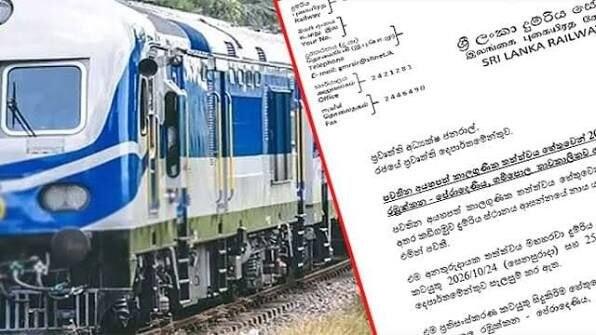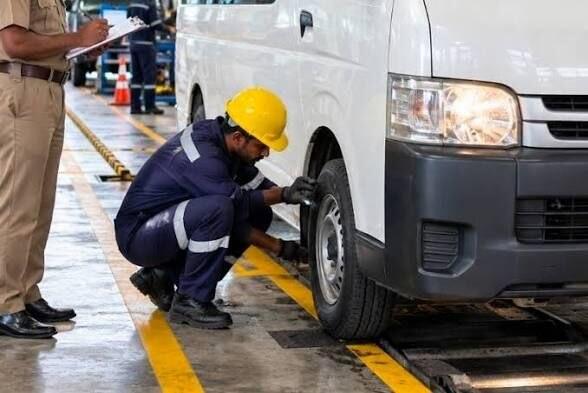
The Department of Motor Traffic (DMT) has said its planned roadworthiness certificate would apply only to commercial vehicles that carry passengers or goods, and not to private vehicles.
The statement followed remarks by Commissioner General of Motor Traffic Thushara Fernando, a retired Air Marshal, on plans for mandatory roadworthiness inspections from early 2027.
Fernando told a media briefing on 22 October that the department was considering a roadworthiness certificate on top of the existing vehicle emission test certificate. He also mentioned proposals for inspections roughly every 5,000 kilometres or three months, with certificates issued by authorised garages.
His remarks at the briefing did not clearly specify which categories of vehicle would be covered.
In its later statement, the DMT said the proposal concerns commercial vehicles used for public transport and the carriage of goods. It said the plan is still being discussed with the Road Worthiness Strategic Committee and that no final decision on implementation has been announced.
The department said the public would be informed once the discussions and assessments are finished. It asked people not to share misleading information that could confuse vehicle owners.
The DMT has not yet announced when the system would begin, what the inspection criteria would be, or how owners would obtain the certificate.
Background
The DMT is the government department responsible for vehicle registration and driver licensing in Sri Lanka. The emission test certificate Fernando referred to is an existing document that records a vehicle’s exhaust emissions.
A roadworthiness certificate is a different kind of check. It covers the general mechanical condition and safety of a vehicle, such as items that affect whether it is safe to drive on public roads. Many countries require periodic inspections of this kind, although the rules differ from one country to another.
The proposal Fernando described would put inspections in the hands of authorised garages, with checks at set mileage or time intervals.
What it means
According to the DMT’s clarification, owners of private cars, motorcycles and other private vehicles would not be covered by the proposed system.
Operators of buses, vans and lorries used for hire or to carry goods are the group the department says the proposal is aimed at. Because no decision has been made, there is no date by which they would need to comply, and no fee or procedure has been announced.