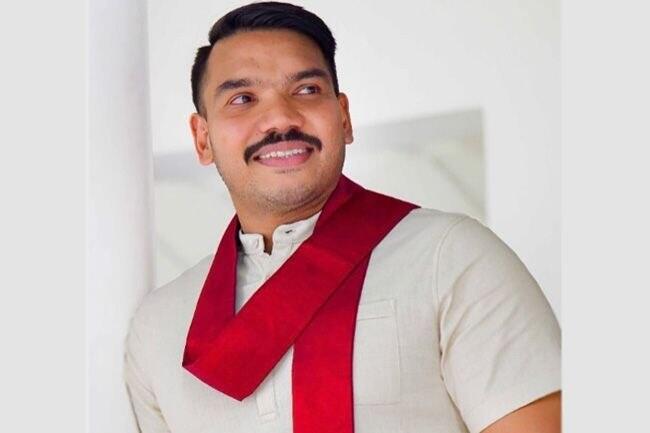
Sri Lanka Podujana Peramuna (SLPP) MP Namal Rajapaksa has been further remanded until 2 December by the Colombo Permanent High Court Trial-at-Bar in the Airbus bribery case, with no bail granted.
The order followed the formal serving of indictments on the parliamentarian. The indictments relate to the Airbus transaction involving SriLankan Airlines.
The case concerns allegations of money laundering and of accepting a bribe of Rs. 100 million linked to the Airbus deal. These are allegations that the court will examine at trial, and Rajapaksa has not been found guilty of any offence.
The remand means the MP stays in custody until the next date. The court will take up the matter again on 2 December.
Background
A Trial-at-Bar is a special form of trial in the High Court. Instead of a single judge, a bench of three judges hears the case, and no jury is involved. Such benches are appointed for cases of national importance, and the High Court in Colombo has used them for several high-profile prosecutions of corruption and financial crime.
The Airbus matter concerns the purchase and leasing of aircraft by SriLankan Airlines, the national carrier. Questions about payments linked to those transactions have been raised in Sri Lanka for years, and the allegations against Rajapaksa form part of the criminal proceedings now before the court.
Under the law, a person who has been indicted is presumed innocent until a court rules otherwise. Remand is a step taken while a case is pending, and it is not a finding on the charges.
Rajapaksa is a member of Parliament for the SLPP. As an MP who is held in custody, his attendance at Parliament sittings depends on the arrangements the authorities and the Speaker allow.
What it means
For readers, the next date of 2 December is the point to watch. The court may hear further steps in the indictment, and any application on bail or the conduct of the trial would be decided by the bench at that stage.
The case is also one of the prosecutions through which the courts are examining allegations of misuse of public money and bribery linked to state institutions. SriLankan Airlines is state owned, so the way the allegations are tested in court matters to taxpayers, who have carried the airline’s heavy losses over the years.