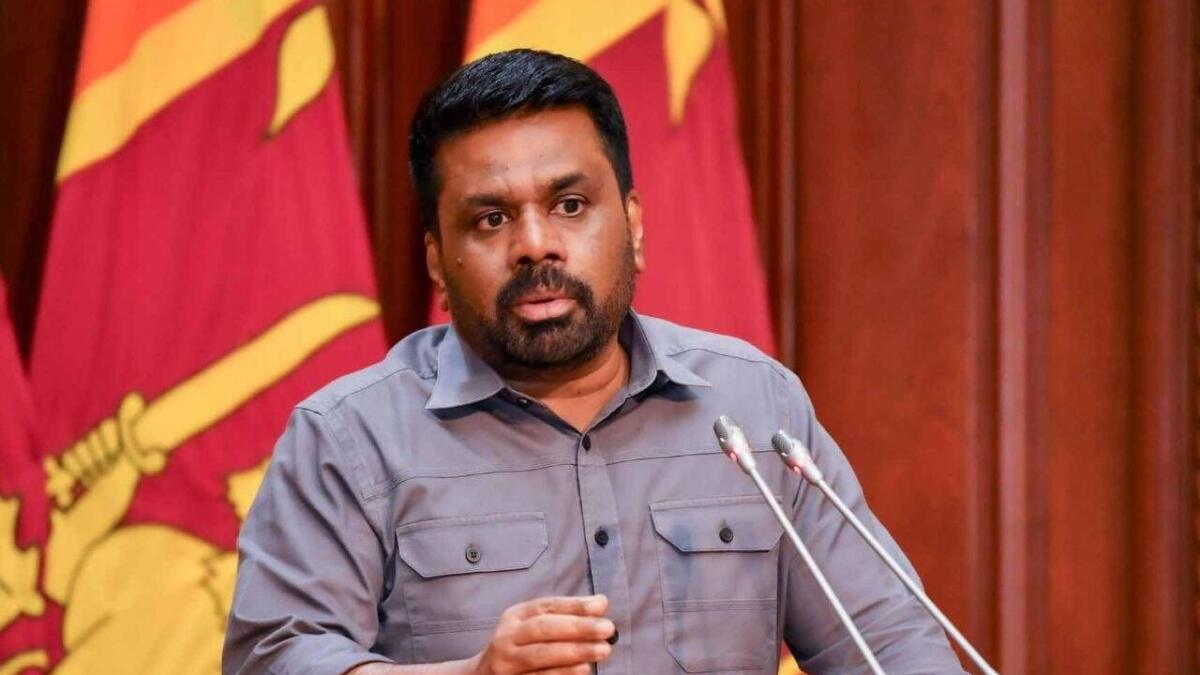
President Anura Kumara Dissanayake has told officials to finalise plans to attract major investors to Sri Lanka’s mineral industry, at a meeting held at the Presidential Secretariat on Wednesday.
The President said the government has a core responsibility to assess the country’s national resources properly. He called for the full potential of the mineral reserves to be identified and for immediate steps to draw strong investment into the sector.
The meeting reviewed progress in identifying land for mineral projects and in pinpointing existing deposits. It gave particular attention to exploration work and investor attraction at the Kahatagaha graphite mines and the Eppawala phosphate deposits.
Officials also discussed how to provide the facilities needed for mineral reserve and exploration reports issued by the Geological Survey and Mines Bureau (GSMB) to meet international standards and gain global recognition. The meeting also considered outsourcing future exploration to expert external bodies.
On gems and jewellery, officials from the Ministry of Industries and Entrepreneurship Development said a policy framework is being drawn up so that gem mining operates legally and systematically. They also reported on measures to eliminate fraud in gem exports, and on construction progress at the planned Gem and Jewellery Centre, which is intended to support the local industry and attract foreign capital.
Background
The GSMB is the state agency that regulates mining and issues licences in Sri Lanka, and its survey data is what investors use to judge whether a deposit is worth developing. Reports that follow internationally recognised standards are generally easier for foreign investors and lenders to rely on, which is why the meeting spent time on the credibility of the Bureau’s reports.
Graphite and phosphate are both long-standing parts of Sri Lanka’s mineral resources. Kahatagaha is a graphite mining area, and Sri Lanka’s graphite has been known internationally for its high purity. Eppawala, in the Anuradhapura District of the North Central Province, is known for its phosphate deposit, which has been discussed for decades as a possible source of fertiliser raw material.
Gem mining has long operated largely through licensed small-scale pits, and the country’s gem trade has faced concerns over illegal mining and the quality of exports. The policy framework and the anti-fraud measures reported on Wednesday relate to those concerns.
What it means
The meeting did not announce investment figures, licences or dates, so no new projects have yet been approved. The discussion sets out the direction the government wants to take: better data on what lies underground, reports that foreign buyers and lenders can trust, and a clearer legal footing for gem mining.
If exploration is outsourced and investors are brought in, the effects would be felt first in the areas around the deposits and in the export trade. Any decision on licences, land or environmental safeguards would be announced separately by the relevant ministries and agencies.