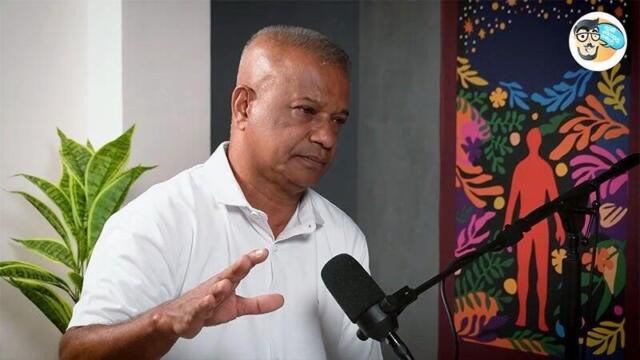
About 40,000 people who are not qualified medical doctors are dispensing medicines in Sri Lanka, a senior community physician has warned, citing the growing risk of antibiotic resistance.
Consultant Community Physician Dr. Ruwan Ferdinando, who heads a medical specialists’ association, made the remarks at a media briefing held at the Health Promotion Bureau on Thursday.
Dr. Ferdinando said antibiotic resistance was increasing in Sri Lanka, largely because antibiotics were being used excessively and inappropriately.
He listed several causes. Patients take antibiotics at home without medical advice, patients ask doctors for them, and doctors sometimes prescribe them unnecessarily, in the belief that they will speed up recovery.
He also raised concern over the estimated 40,000 people who are not medical doctors but are involved in dispensing medicines across the country. He said antibiotics were also being supplied by these people.
Asked who they were, Dr. Ferdinando said one category consisted of people with no formal medical qualifications who had become familiar with medicines by working in pharmacies and later began dispensing them.
He said prescribing antibiotics without the necessary qualifications was a serious problem that needed wider public discussion. Under the law, he added, Western medicines may be prescribed by medical practitioners registered with the Sri Lanka Medical Council.
Dr. Ferdinando warned that if misuse and overuse continue, Sri Lanka could reach a point where antibiotics no longer treat infections effectively.
Background
Antibiotic resistance, also called antimicrobial resistance, develops when bacteria change in ways that make the medicines used against them less effective. The more often antibiotics are used, particularly when they are not needed or the course is not completed, the more chances bacteria have to develop resistance. The World Health Organization has described antimicrobial resistance as one of the major threats to global public health.
Antibiotics work only against bacterial infections. They do not treat viral illnesses such as the common cold or influenza, yet they are often requested or prescribed for such illnesses.
In Sri Lanka, the sale of medicines is regulated, and pharmacies are expected to operate under the oversight of the National Medicines Regulatory Authority. The briefing did not give figures on how many of the estimated 40,000 people work in licensed pharmacies, and no official count was cited.
What it means
For patients, the warning is a reminder that antibiotics should be taken only on the advice of a registered medical practitioner. Health authorities in many countries advise people not to ask for antibiotics for mild illnesses, not to use leftover tablets, and to finish a prescribed course exactly as directed.
Families who buy medicines at a pharmacy can ask who is dispensing them and whether a registered doctor prescribed the drug. Resistant infections are generally harder to treat, can mean longer hospital stays and need stronger or more costly medicines.
The specialist said the issue needed wider public discussion. No new regulations or enforcement measures were announced at the briefing.