Sri Lanka has recorded 107,651 dengue cases so far this year, with 81 deaths, according to the National Dengue Surveillance System.
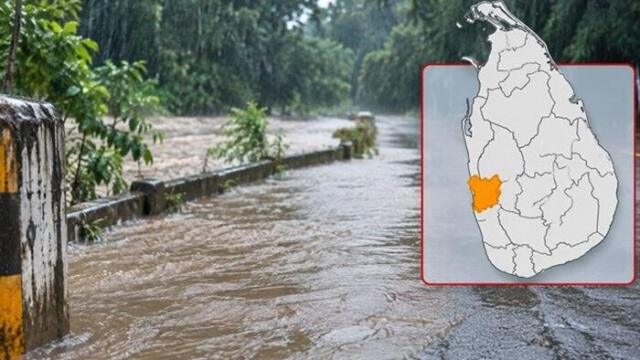
The figures cover the period up to midnight on 7 November. The Western Province accounts for 55,734 cases, or 51.77 percent of the national total.
Gampaha District has the highest district count at 22,465 cases, followed by Colombo with 20,771. The Colombo Municipal Council area alone reported 4,413 cases.
The Southern Province recorded 15,228 cases (14.15 percent) and the Central Province 11,062 (10.28 percent). Kandy reported 8,765 cases, Kalutara 6,691 and Matara 6,487. The Northern Province had the lowest provincial total, at 1,718.
During the 44th week of 2026, 37 Medical Officer of Health (MOH) areas were identified as high-risk. The average midnight case count for the week was 472, and 1,399 cases were reported in the first seven days of November.
Background
Cases peaked in July this year, when 29,964 were recorded. June followed with 21,533 cases and August with 10,155. September and October recorded 5,230 and 5,532 cases respectively, so monthly totals have fallen sharply from the mid-year high. Cases were reported in all nine provinces.
Dengue is a viral infection spread by Aedes mosquitoes, which breed in small collections of clean standing water such as discarded containers, blocked gutters and plant pots. Sri Lanka’s heaviest dengue seasons usually follow the monsoon rains, when more breeding sites form, and the disease is reported in every province.
Because the Western Province is the most densely populated part of the country, it has regularly carried the largest share of cases in previous years as well.
What it means
Although weekly numbers are lower than at the July peak, the daily average of 472 cases means the risk has not passed, particularly in the Western Province and the 37 high-risk MOH areas.
Health authorities generally advise households to clear water-holding containers, keep gutters and drains free of blockages, and use mosquito repellent, particularly in the early morning and late afternoon when the mosquitoes are most active. People with a fever lasting more than a day or two are advised to see a doctor rather than treat themselves, and to avoid taking aspirin or similar painkillers without medical advice.