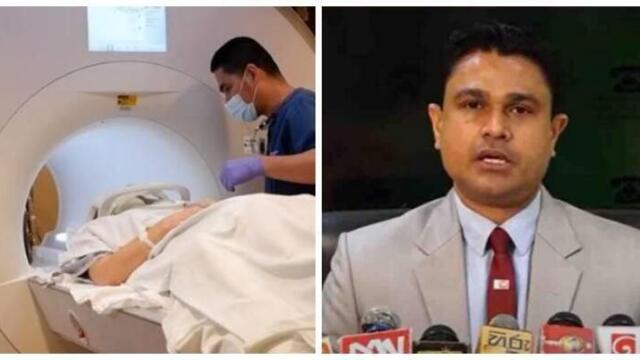
Friday’s flood in Colombo could have been avoided if the Colombo Municipal Council (CMC) had cleaned the city’s drains as the Prime Minister ordered, former minister Patali Champika Ranawaka said on Sunday.
Ranawaka, who leads the United Republican Front (URF), said Prime Minister Dr. Harini Amarasuriya gave the directive to clean canals and drainage systems across Colombo on 13 October, and that the CMC and other officials did not act on it.
He rejected Colombo Mayor Vraie Cally Balthazaar’s explanation that the drainage system could not cope with the 129mm of rain recorded on 6 November because it was designed to handle 30mm. Ranawaka called the claim a lie, asked the Mayor to explain why the directive was not carried out, and urged the government to inquire into the Mayor’s inaction.
Ranawaka said nothing had been done since the National People’s Power (NPP) won the CMC at the local government elections in May 2025. He said the National Hospital in Colombo had never flooded before, although Colombo had received far heavier rain in the past, and that the Fort Central Bus Stand had not been so badly affected earlier. He added that the CMC should pay sufficient compensation to businesses and residents who suffered losses.
A joint operation involving several State institutions was launched on Sunday to tackle flooding in Colombo and its suburbs. Authorities have identified 60 locations where drainage is blocked and have begun clearing blockages and cleaning canals, starting with high-risk areas.
Background
Dr. Amarasuriya issued the directive at the Colombo District Coordinating Committee meeting in Narahenpita on 13 October, according to the Prime Minister’s Office. She wanted the clean-up completed within two years. At that meeting, local authorities including Divisional Secretariats, the Department of Agrarian Development and the Provincial Irrigation Department cited a shortage of technical officers, difficulty in drafting plans and cost estimates, and long-standing maintenance gaps.
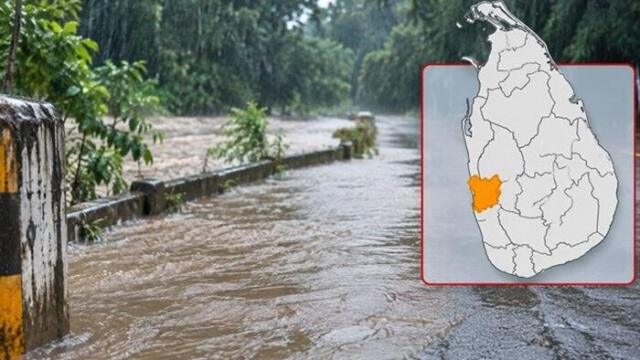
Heavy rain on 6 November left parts of Colombo under water for hours. Pettah, Dematagoda, Orugodawatte, Kollupitiya, Bambalapitiya and Kompanna Veediya were among the areas affected, and traffic and daily activity were disrupted.
The joint operation, led by the Mayor and Deputy Minister of Urban Development Eranga Gunasekara, involves the Sri Lanka Army, the CMC, the Sri Lanka Land Development Corporation, the Urban Development Authority and the Road Development Authority. It covers the North Colombo, East Colombo, West Colombo, Borella and Central Colombo electoral divisions. Officials named poor drainage maintenance, unauthorised construction and land reclamation, unplanned urban development, waste dumped in canals and weak coordination between institutions as contributing factors. The government plans to bring drainage maintenance and monitoring under one coordinated approach.
What it means
Residents of the areas listed for clearing can expect work crews and machinery on roads and canals in the coming days. Officials say the programme aims to give immediate relief from flash floods and to set up a long-term system to reduce Colombo’s flood risk.
More rain is forecast. The Department of Meteorology warned on Monday of showers above 100mm in places in the Western, Sabaragamuwa, Central, North-Western, Northern and North-Central provinces and in the Galle and Matara districts, and advised the public to take precautions against strong winds and lightning. Flooding was also reported in Kandy on Saturday evening, when the ground floor of the outpatient department at Kandy National Hospital and the Kandy Railway Station were inundated.