The UN human rights office has warned that Sri Lanka’s proposed anti-terrorism law poses heightened risks to journalists and civil society groups, saying the bill repeats weaknesses it flagged in an earlier draft.
In a report on the Protection of the State from Terrorism Bill (PSTA), the Office of the United Nations High Commissioner for Human Rights (OHCHR) said the legislation reproduces or expands shortcomings found in the Prevention of Terrorism Act now in force and in earlier proposed counter-terrorism laws. The report was circulated to Sri Lankan media by the UN office in Sri Lanka.
The OHCHR acknowledged that the bill contains some additional safeguards and improvements on previous drafts. It said concerns remain over broad and imprecise terrorism offences, restrictions on protected expression and civic activity, administrative detention, extensive arrest and search powers, executive discretion, safeguards against torture and ill-treatment, fair-trial guarantees, and accountability and remedies.
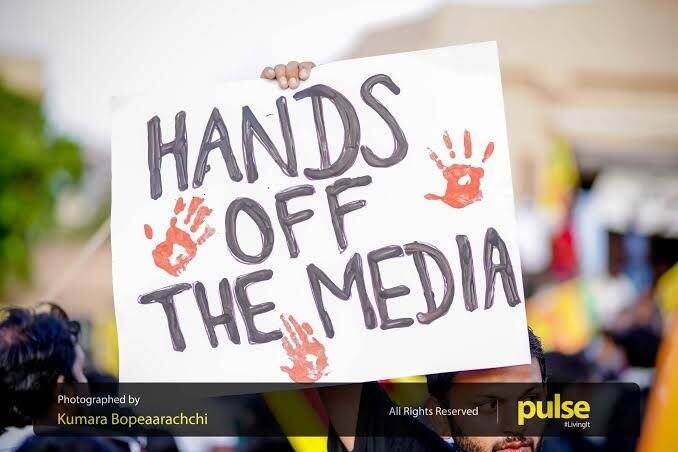
On media freedom, the report points to the definition of “confidential information” in Section 74, which the OHCHR called excessively broad and imprecise. It covers information on the “functions, movements, or whereabouts” of a specified person, passwords or encryption details relating to national security, and information “likely to have an adverse impact on national security and defence”. The speech-related offences in Sections 2, 8 to 11 and 15 rely on that definition.
The OHCHR said this could put at risk the monitoring and documentation of public-facing checkpoints and security deployments, as well as routine reporting or social media posts about raids or arrests. It noted that the definition matches the one in the draft presented in December 2025, and that its earlier legal comments continue to stand.
Background
The PSTA was submitted to Parliament on 6 October, according to Human Rights Watch. It is intended to replace the Prevention of Terrorism Act, which successive governments, including the present one, have promised to repeal. Rights groups and foreign partners have long criticised the existing law for allowing prolonged detention.
The OHCHR asks the government to narrow and clarify the definition of terrorism and related offences, and to remove or significantly revise provisions that could criminalise protected expression and civic activity. It also calls for prompt, independent judicial oversight of every arrest and detention, with courts able to refuse detention and order release, and for the deadline for producing a suspect before a court to run from the time of arrest.
Other recommendations include making judicial warrants the rule for intrusive searches and seizures, strengthening safeguards against torture and enforced disappearance, keeping the use of the Armed Forces and Coast Guard for law enforcement exceptional, time-limited and under civilian authority, and holding meaningful public consultation before further legislative action.
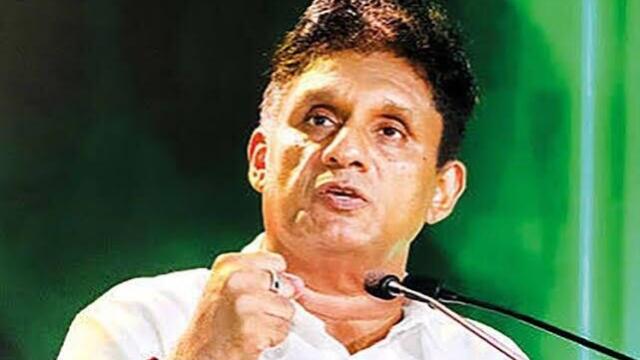
Opposition Leader Sajith Premadasa has separately warned that pushing ahead with what he called oppressive counter-terrorism laws could endanger Sri Lanka’s GSP+ trade concession with the European Union. Human Rights Watch has also said the PSTA and the Prevention of Organised Crimes Bill replicate abusive provisions of the existing law. The Human Rights Commission of Sri Lanka and the Bar Association of Sri Lanka have objected to several provisions.
What it means
If the bill becomes law in its current form, the OHCHR says reporters and activists who document security operations could face offences under its confidentiality provisions. That would affect how arrests, raids and checkpoints are reported to the public.
The bill is also being watched abroad, because Sri Lanka’s export access under GSP+ is linked to its human rights commitments. Exporters and workers in export industries, as well as Sri Lankans living overseas, will follow how Parliament deals with the criticism.