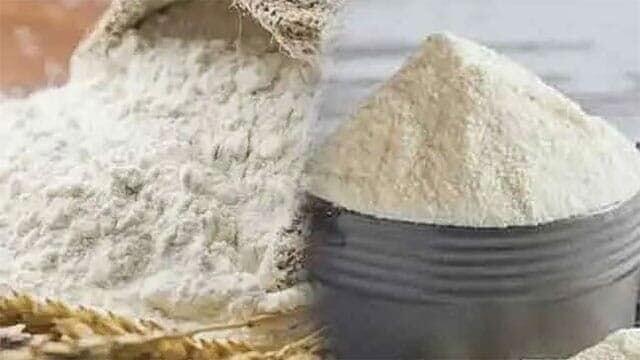
The Consumer Affairs Authority (CAA) has started raids across the island after wheat flour prices rose by Rs. 13 without prior notice to the authority or its agreement.
CAA Chairman Hemantha Samarakoon said the authority learned of the increase from media reports. He said it had received no official notification from wheat flour manufacturers.
The authority has contacted the manufacturers by email, asking them to explain the price revision and to give details of the increase, he said.
Samarakoon said wheat flour is a specified commodity under the Consumer Affairs Authority Act. Manufacturers must therefore consult the authority and reach an agreement with it before raising the price.
He warned that legal action would be taken against traders who sell wheat flour at the increased price in breach of the law. He said the authority would decide on further action after it reviews the manufacturers’ replies.
Background
The Consumer Affairs Authority is the state body responsible for protecting consumers and regulating trade practices. Its powers include the enforcement of price rules for goods that it designates, and its officers can inspect shops and warehouses and take traders to court for offences under the Act.
Wheat flour is a staple in Sri Lankan households. It is the main ingredient in bread, string hoppers, roti, kottu and many other everyday foods, and it is also used by bakeries and small food businesses. Sri Lanka does not grow wheat, so all of it is imported and manufacturers set their prices partly on the cost of imported grain and on the exchange rate of the rupee.
Under the Consumer Affairs Authority Act, the authority can fix maximum retail prices for goods it designates and can require traders to display prices and to sell at the displayed price. A trader who breaks those rules can be prosecuted in a magistrate’s court.
What it means
Consumers who buy wheat flour, or products made from it, may see higher prices on shelves while the authority waits for the manufacturers to respond. Shoppers who believe a trader is selling above a lawful price can complain to the authority.
Bakeries and small food sellers are also directly affected, since flour is a main input for them. Whether the Rs. 13 increase stays, is reduced or is withdrawn will depend on the explanations the manufacturers give and on what the authority decides after reviewing them.