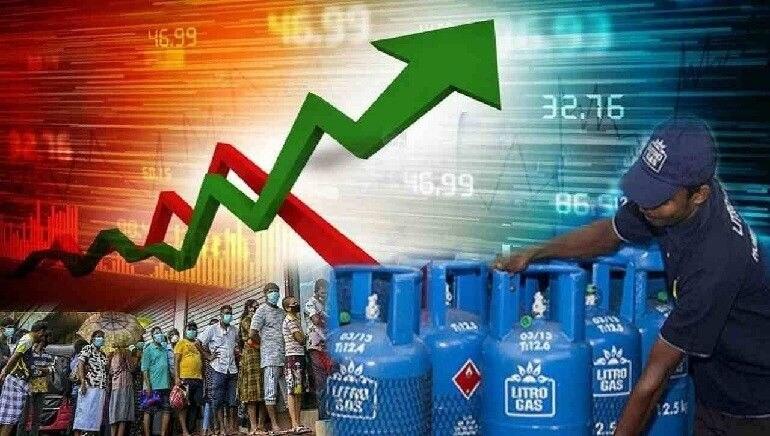
Headline inflation held at 8.1 percent year on year in September 2026, unchanged from August, the Department of Census and Statistics said.
The figure is measured by the National Consumer Price Index (NCPI), which uses 2021 as its base year with a value of 100. The overall index rose to 224.2 in September from 223.9 in August. That puts prices 124.2 percent above the 2021 base.
Food and non-food items moved in opposite directions. Year on year food inflation rose to 6.9 percent in September from 6.6 percent in August, and food contributed 3.1 percentage points to the headline rate. Non-food inflation eased to 9.1 percent from 9.3 percent, contributing 5.0 percentage points.
On a month on month basis, food added 0.19 percentage points to the change in the index, while non-food items subtracted 0.08 percentage points.
Core inflation, which leaves out food, energy and transport because those prices can swing sharply, was 6.4 percent year on year. The core index rose to 208.8 from 208.1 in August.
Background
The Department of Census and Statistics compiles the NCPI. It covers the whole island, unlike the Colombo Consumer Price Index, which was the main inflation measure for many years and is based on prices in the Colombo district.
Inflation in Sri Lanka rose sharply during the economic crisis that began in 2022. The Colombo index recorded a peak of close to 70 percent in September 2022, and price growth fell back during 2023 and 2024 as the Central Bank of Sri Lanka (CBSL) kept interest rates high and the rupee steadied. The CBSL works to a medium-term inflation target of 5 percent, and the September figure is above that level.
Headline inflation is a year on year comparison. A reading of 8.1 percent means prices on the index basket are on average 8.1 percent higher than they were in September 2025. A steady rate does not mean prices have stopped rising; it means they are rising at the same pace as in the previous month’s annual comparison.
What it means
Because food inflation edged up while non-food inflation eased, households may find that the cost of groceries is rising slightly faster than a month earlier, while other spending such as housing, transport and services is rising a little more slowly. Non-food items still carry the larger share of the headline rate, at 5.0 percentage points against 3.1 for food.
For people on fixed incomes, including pensioners and those whose salaries are reviewed only once a year, an inflation rate of 8.1 percent means their money buys less than it did a year ago. Families abroad who send money home may find that the same remittance covers somewhat less in local shops than it did a year earlier, although the effect depends on the exchange rate and on what the money is spent on.