Sri Lanka’s Ministry of Foreign Affairs said on Monday that Thai Deputy Prime Minister Suphajee Suthumpun visited the country in a private capacity.
In a statement, the ministry said she came to take part in the enshrinement ceremony at the Mihintale temple alongside Buddhist devotees.
The ministry said the Thai Embassy had asked for access to the VIP lounge and other courtesies for the visit, and that Sri Lankan authorities provided them as requested. No other officials accompanied the Deputy Prime Minister, it said, because the visit was solely to attend the religious ceremony in a private capacity.
The ministry added that Suthumpun had made similar private visits to Sri Lanka in the past to take part in religious activities.
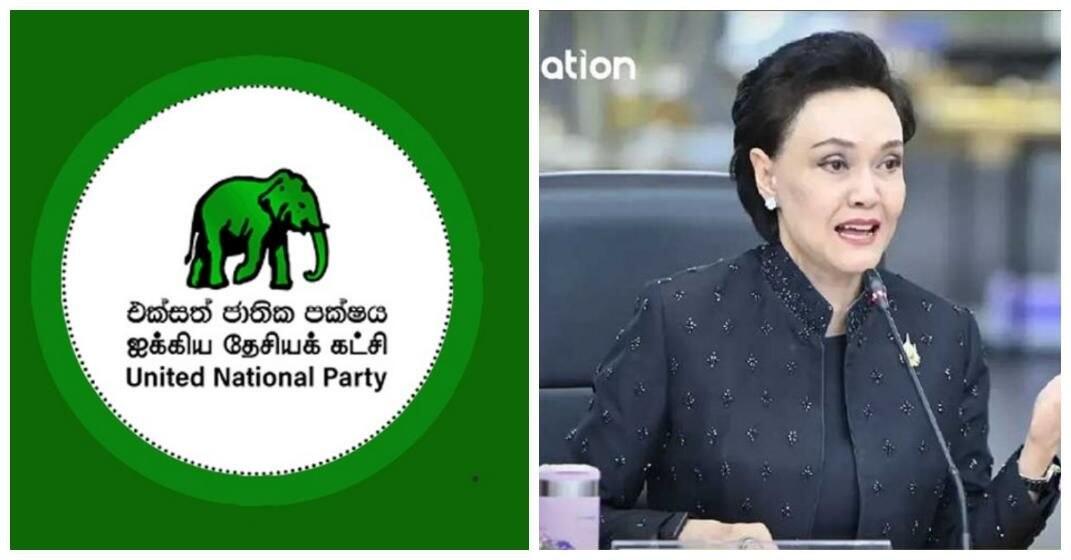
The clarification followed a special statement from the United National Party (UNP), which questioned the government’s alleged failure to give her an official diplomatic welcome and adequate security during the visit. The party said she had travelled to attend the unveiling of the pinnacle at the Mihindu Maha Seya in Mihintale, which it described as an important event for Buddhists.
“However, she was not accorded an official welcome. This demonstrates the immaturity of the government,” the UNP statement said.
The UNP also pointed out that former British Prime Minister David Cameron had been given an official welcome when he visited Sri Lanka on a personal trip several years ago.
Background
Mihintale, near Anuradhapura in the North Central Province, is regarded by Buddhists as the place where the Arahat Mahinda met King Devanampiyatissa in the third century BCE, an encounter traditionally linked with the introduction of Buddhism to the island. It remains one of the most important pilgrimage sites in the country.
In diplomatic practice, visits by senior foreign office-holders are generally described as official, working or private. An official visit usually follows an invitation from the host government and includes formal protocol arrangements, such as a reception on arrival. For a private visit, a host government commonly provides courtesies when the visitor’s embassy asks for them.
Thailand and Sri Lanka share the Theravada Buddhist tradition, and religious links have long formed part of the relationship between the two countries.
What it means
The ministry’s statement sets out that the arrangements made for the visit were those the Thai Embassy had requested, and that it treated the trip as a religious one rather than a state visit.
The UNP’s statement raises the question of whether reception and security arrangements should be different when a senior foreign office-holder visits a major Buddhist site, even on a private trip. Religious sites such as Mihintale draw visitors from other Buddhist-majority countries, and the two statements show how the line between official and private visits shapes the arrangements made for them.