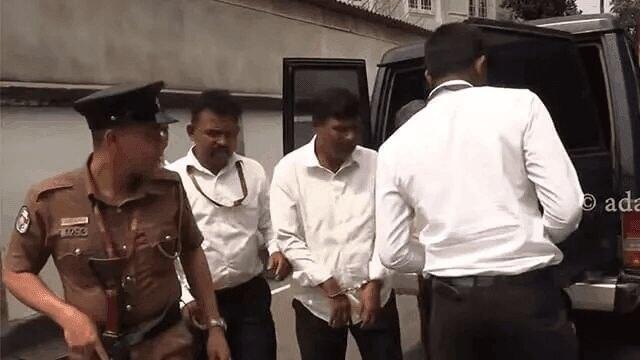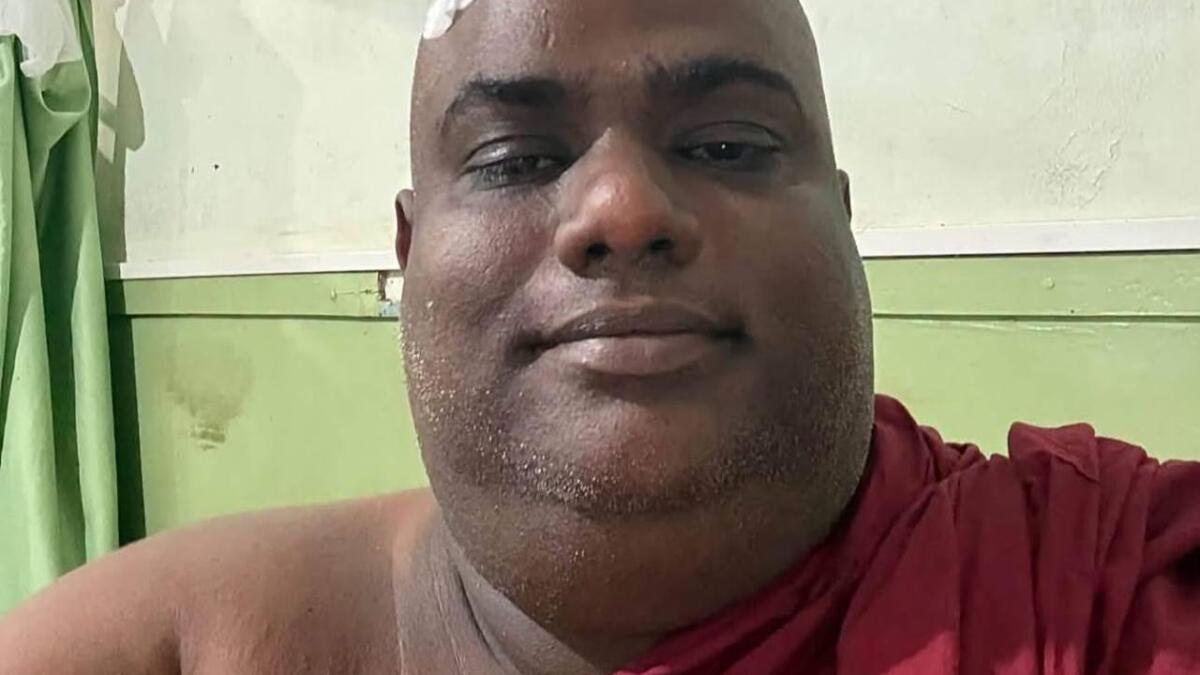
Rajangane Saddharathana, who has been expelled from the Buddhist monastic order, was remanded until 26 November after his arrest over a confrontation near the Ruwanweli Maha Seya in Anuradhapura.
Police took him into custody on Wednesday (18 November) after he was summoned to the Anuradhapura Police Station for questioning over allegations of unruly behaviour during the incident.
The confrontation took place on 12 November in the Anuradhapura Sacred City, where Ven. Balangoda Kassapa Thera and several others were staging a fast-unto-death protest at a satyagraha site. A group led by Saddharathana arrived there and argued with the protesters, according to reports of the incident.
The argument escalated into a clash. Saddharathana sustained head injuries and was taken to hospital. Police intervened and arrested several people, including Ven. Balangoda Kassapa Thera.
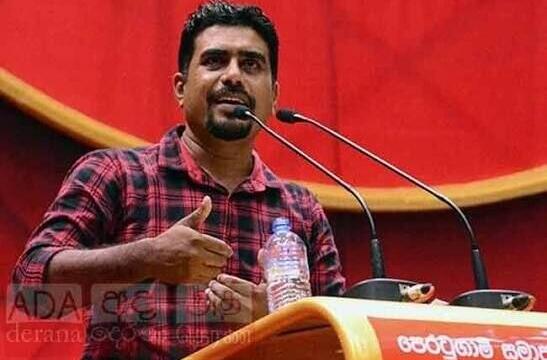
Separately, a group of civil activists lodged a complaint with the Criminal Investigation Department (CID), asking how Saddharathana can continue to present himself as a Buddhist monk. They said his name had been removed from the register of higher-ordained monks kept by the Department of Buddhist Affairs, and called for legal action.
The activists cited Section 42 of the Buddhist Temporalities Ordinance, No. 19 of 1931, which provides for action against people who falsely present themselves as registered Buddhist monks. They also pointed to Penal Code provisions on impersonation and asked the CID to examine whether any offences had been committed.
The group further accused Saddharathana of making offensive statements on social media and of verbally attacking other monks. They alleged that he played a leading role in organising the group involved in the Anuradhapura incident, and said the confrontation had damaged the reputation of the Buddhist clergy. These are the activists’ allegations, and none has been tested in court.
Background
Saddharathana was earlier reported to have been expelled from the Ramanna Maha Nikaya following a disciplinary inquiry. The Ramanna Maha Nikaya is one of the three main Buddhist monastic orders in Sri Lanka, alongside the Siam and Amarapura orders.
The Ruwanweli Maha Seya is one of the most revered Buddhist monuments in Sri Lanka and stands in Anuradhapura, the island’s ancient capital, which draws large numbers of pilgrims each year. The Sacred City area around it is a place of worship as well as a site where public protests are sometimes held.
A remand order means a suspect is held in custody on a magistrate’s order until the next hearing. It is not a finding of guilt, and the court will decide on any charges according to the evidence presented.
What it means
For now, Saddharathana remains in custody until 26 November, when the case is due to be considered again. Any decision on whether the activists’ complaint leads to an investigation rests with the CID and, if charges follow, the courts.
The case also raises a question about how the law treats people who continue to wear robes and present themselves as monks after an expulsion. The complaint relies on the Buddhist Temporalities Ordinance and the Penal Code, so any outcome would be decided under those laws rather than by the monastic orders alone.