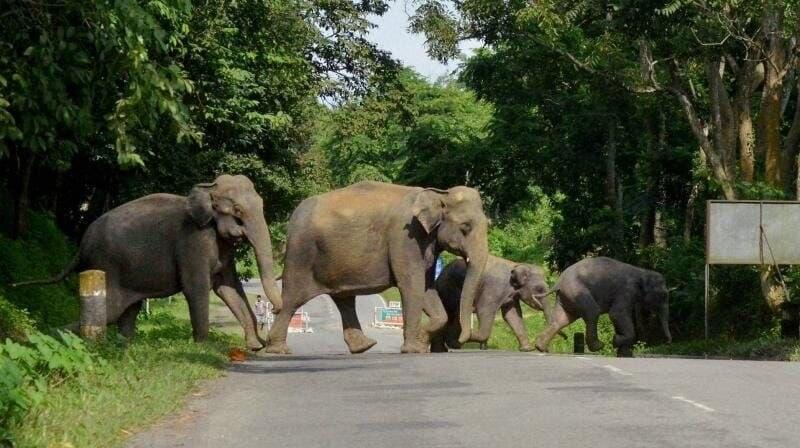
Authorities will intensify joint emergency raids in areas hit by human-elephant conflict, a high-level meeting at the Ministry of Environment decided on 23 October.
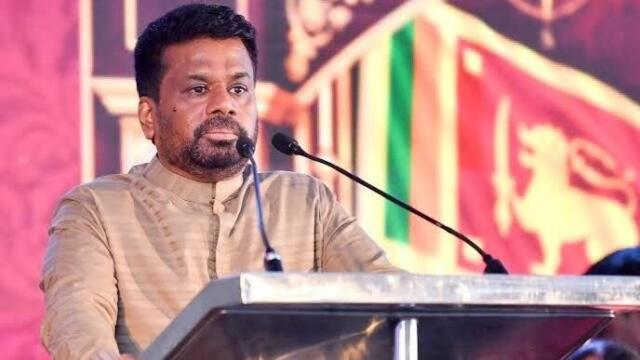
The meeting was chaired by Environment Minister Dr. Dammika Patabendi and Deputy Minister Anton Jayakody. It brought together officials of the Department of Wildlife Conservation, the Tri-Forces, military intelligence and drone operations units, and voluntary environmental organisations.
Participants discussed stronger legal measures to stop the killing of wild elephants, the use of improvised explosive baits known as hakka patas, and other wildlife offences. They also discussed a more reliable system for reporting wildlife crimes, so that information reaches the relevant agencies in time.
The proposed joint protection programme includes a dedicated operations room at Sri Lanka Army Headquarters, where wildlife officers, veterinarians and Tri-Forces personnel would work together on conservation and emergency response. Special military security detachments will monitor the movements of vulnerable tuskers identified in high-risk areas.
The Department of Wildlife Conservation will give military personnel specialised training on elephant behaviour and field handling. The military will provide accommodation and field research facilities at its camps for wildlife officers.
The meeting also gave special attention to managing public gatherings when an elephant is ill or injured, because crowds and other disturbances can complicate treatment by wildlife officers and veterinarians.
On the same day, Opposition Leader and Samagi Jana Balawegaya (SJB) leader Sajith Premadasa handed the Speaker a motion calling for a special Parliamentary Select Committee on the death of the tusker Kawanthissa, which the motion describes as a national natural heritage. Opposition MPs signed the motion.
Premadasa said the inquiry should establish the circumstances of the death and lead to measures to protect the country’s remaining tuskers. He said the matter should be treated as non-political and proposed that the committee have co-chairs from the Government and the Opposition.
Background
Wild elephants are protected under Sri Lankan law, and the Department of Wildlife Conservation is the agency responsible for managing them and responding to conflict with people. Human-elephant conflict is a long-running problem in rural areas, and it causes deaths of both elephants and people.
Hakka patas are crude explosive devices hidden in food that injure or kill elephants when they bite into them. The meeting named them among the practices that the new legal measures are meant to address.
A Parliamentary Select Committee is a group of MPs appointed by the Speaker to investigate a specific matter and report to Parliament. The Opposition motion proposes one for the Kawanthissa case, with members drawn from both sides of the House.
What it means
Residents of areas affected by human-elephant conflict can expect more joint operations by wildlife officers and the Tri-Forces, according to the decision taken at the meeting. The planned operations room at Army Headquarters is intended to bring information and response teams together in one place.
The Opposition motion will go before the Speaker, who decides whether a select committee is appointed. The meeting’s decisions also depend on the legal changes and the reporting mechanism that participants discussed.