President Anura Kumara Dissanayake is presenting the government’s 2027 Budget in Parliament today (12 November), after the Cabinet of Ministers approved the proposals at a meeting held earlier in the day.
Parliament convenes at 1.30 p.m., when the President will deliver the Budget Speech in his capacity as Minister of Finance, Planning and Economic Development. The speech marks the Second Reading of the Appropriation Bill for 2027.
An informed government source told the Daily Mirror that total capital expenditure in the Budget would amount to Rs. 2 trillion. The newspaper also reported that public servants are expected to receive salary increases starting next year.
The Budget debate will run for 26 days, from 13 November to 14 December. The Second Reading debate takes place over seven days, from 13 to 20 November, and the vote on the Second Reading is set for 6.00 p.m. on 20 November.
The Committee Stage debate will then run for 19 days, from 21 November to 14 December, including four Saturdays. The vote on the Third Reading of the Appropriation Bill is scheduled for 6.00 p.m. on 14 December.
During the Budget period, the time from 9.30 a.m. to 10.00 a.m. each day is set aside for parliamentary business listed under Standing Orders 22(1) to 22(6). Five questions for oral answers are taken from 10.00 a.m. to 10.30 a.m., and one question under Standing Order 27(2) from 10.30 a.m. to 11.00 a.m. The Budget debate itself is held from 11.00 a.m. to 6.00 p.m. every day, except on 20 November and 14 December, when the votes are taken.
Background
The Appropriation Bill for 2027 was presented to Parliament for its First Reading on 7 October by Minister of Labour and Deputy Minister of Finance and Planning Anil Jayantha Fernando. An Appropriation Bill authorises how public money is allocated for the coming year, and it must pass its Second Reading, Committee Stage and Third Reading before it becomes law.
The Daily Mirror described the 2027 Budget as the government’s third, presented as the administration enters the midterm of its tenure. It said the previous two Budgets concentrated on stabilising the macroeconomy in line with the International Monetary Fund’s Extended Fund Facility (EFF), a programme scheduled to end in March next year. The newspaper added that there is speculation the government will negotiate a fresh programme with the IMF to avert a possible foreign exchange crisis. The government has not been quoted confirming this in the reports available.
What it means
The detailed measures on taxes, allowances, subsidies and public services will become clear only once the President has delivered the speech. The reported focus on capital spending points to greater emphasis on infrastructure projects, according to the Daily Mirror’s source.
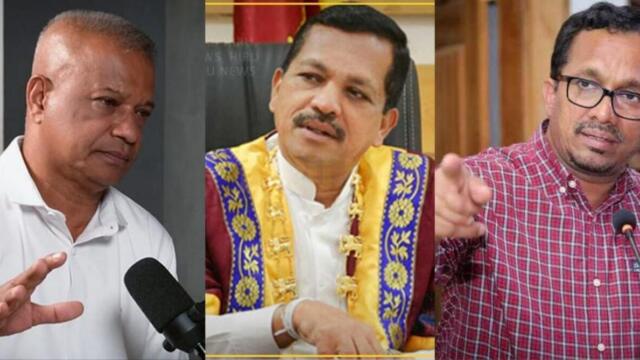
Pressure on the Budget is already visible. Inter-University Trade Union Federation President Ranga Meegoda said at a media briefing in Kandy on Tuesday (10 November) that university employees were looking to the third Budget for relief from salary and allowance grievances, and warned of trade union action if their requests were rejected. His federation says state universities face staff shortages and unresolved pay anomalies.
For households, the main questions will be whether the promised salary increases for public servants materialise, and how any new spending or revenue measures affect prices and taxes. The 26-day debate means Members of Parliament from both government and Opposition will have until mid-December to argue over the proposals before the final vote.