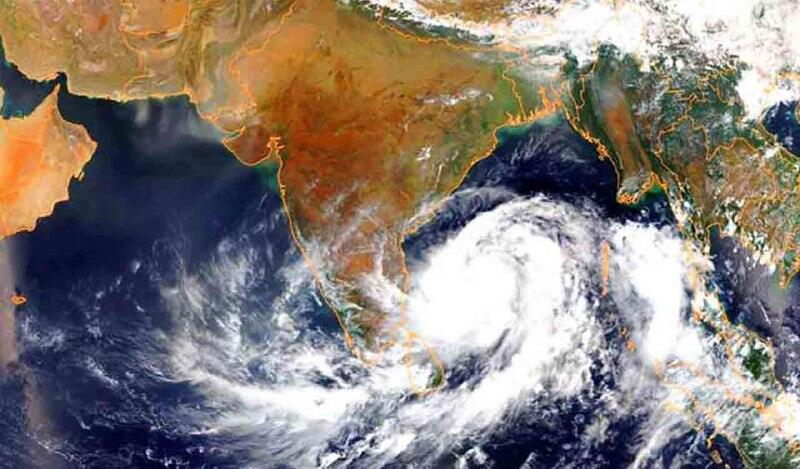
A weather system forming over the Bay of Bengal around 11 November could become a depression by 15 November, the Department of Meteorology said.
Meteorologist Udeni Weerasinghe said a disturbed weather system is likely to develop over the southeast Bay of Bengal and the adjoining Andaman Sea around 11 November. It could become a low-pressure area around 13 November and intensify into a depression around 15 November, she said.
The department advised fishermen and naval personnel working in those sea areas to stay particularly vigilant.
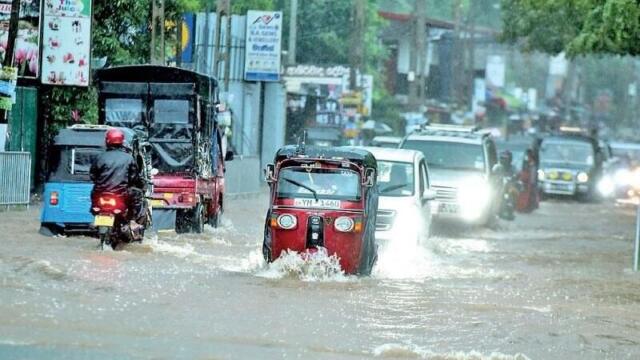
The department also said showers or thundershowers were expected in most parts of the island after 1.00 p.m. on Sunday. Heavy rainfall of more than 100mm is possible at some locations in the Western, Sabaragamuwa and Central provinces and in the Galle, Matara and Kurunegala districts, Weerasinghe said.
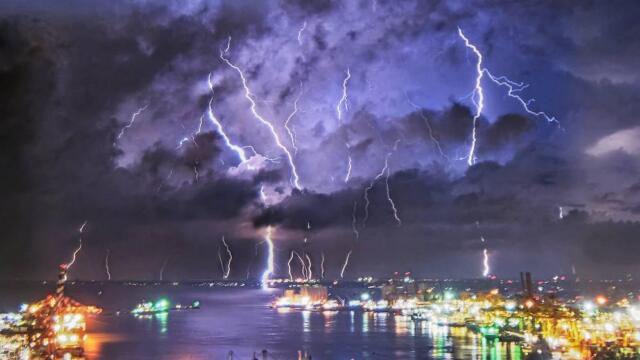
Temporarily strong winds may occur during thundershowers, and the public has been urged to take precautions against lightning. Winds over the seas around the island are expected to stay between 20 and 30 kmph, but gusts of 60 to 70 kmph may occur there during thundershowers.
Heavy rain on Saturday night had already flooded part of the ground floor of the Outpatient Department (OPD) at Kandy National Hospital. Central Province Governor Dr Harsha Suranga Fernando inspected the area on Sunday morning and instructed officials to restore normal operations.
The Sri Lanka Army and the Kandy Municipal Council joined hospital staff in the cleaning work, and the Governor directed that daily services return to normal by Monday.
Background
Weather systems over the Bay of Bengal usually develop in stages, from a disturbance to a low-pressure area and then a depression. Some systems intensify further into cyclonic storms, while others weaken or move away without reaching that stage. The Department of Meteorology updates its advisories as a system develops, so the dates it gives are forecasts and can change.
November falls in the period between the south-west and north-east monsoons, when afternoon thundershowers are common across Sri Lanka. Heavy falls in the Western, Sabaragamuwa and Central provinces can raise river levels and, on hill slopes, increase the risk of landslides. Lightning is also a recurring hazard during such showers.
What it means
Fishing crews and naval personnel at sea around the island are the first group affected, since the department has asked them to stay alert to changing conditions.
People in the districts and provinces named for heavy rain may see localised flooding or disruption to travel when rainfall exceeds 100mm, and the department’s advice on lightning applies island-wide during thundershowers.
At Kandy National Hospital, patients who use the Outpatient Department should expect services to return to normal on Monday, according to the Governor’s instructions.