Recent fuel queues at some filling stations were caused by private operators cutting distribution, not by a supply shortage, Ceylon Petroleum Corporation (CPC) Chairman D. J. Rajakaruna said.
He said the CPC had secured enough fuel and stocks to keep distribution running without interruption well into the middle of next year.
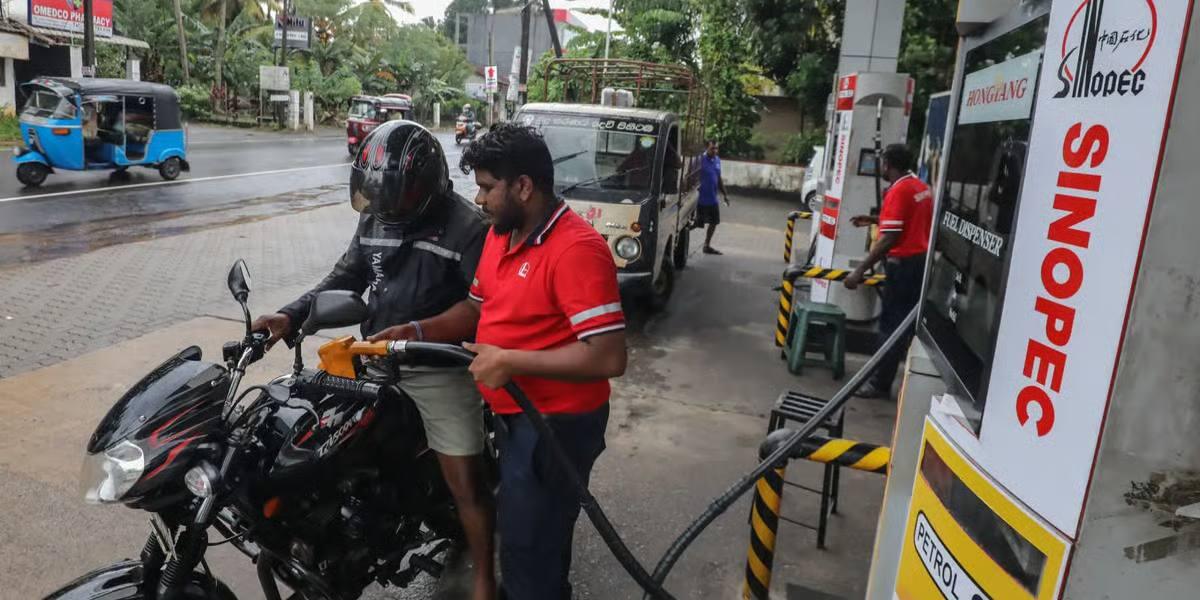
Rajakaruna said private operators, including Sinopec and RM Parks, had reduced the volumes they distribute because of financial losses under the existing pricing structure. This caused temporary supply disruptions in some areas, particularly where private filling stations are the main fuel providers.
He said the Energy Ministry, the CPC and the private operators had held discussions. The companies were instructed to give priority to areas where supply constraints had been reported, despite lower profit margins.
The CPC also plans to open 75 additional filling stations to improve access to fuel across the country, he said. The Energy Ministry is seeking legal advice on the long-term agreements with the private operators.
Background
Rajakaruna said the problem is linked to agreements signed with the private operators for 20 years. They include a ceiling price and a pricing formula.
Under the agreements, the Government or the relevant ministry could be required to compensate the operators if the prescribed selling prices result in losses, he said. The operators are also allowed to revise certain fuel prices to avoid losses, which led to changes in the prices of Octane 95 petrol and Super Diesel sold by private operators.
On world prices, Rajakaruna said global crude oil and refined product prices were significantly higher than in February, with some increases estimated at between 80 percent and 90 percent. Local fuel prices rose by only about 40 to 43 percent because the Government absorbed a considerable part of the extra cost, he said.
He added that international market conditions had shown some signs of stabilisation amid developments in conflict-affected regions.
The CPC is the state-owned fuel importer, and in recent years private and foreign companies have also been allowed to sell fuel through their own filling stations.
What it means
Motorists in areas where private stations are the main suppliers may still face delays while the companies and the Government work out the supply arrangements. The CPC chairman said the corporation itself has no difficulty maintaining a steady supply.
Rajakaruna said any benefit from lower international fuel prices would be passed on to consumers at the earliest opportunity. Motorists who buy Octane 95 petrol or Super Diesel from private operators have already seen price adjustments under the agreements, he said.