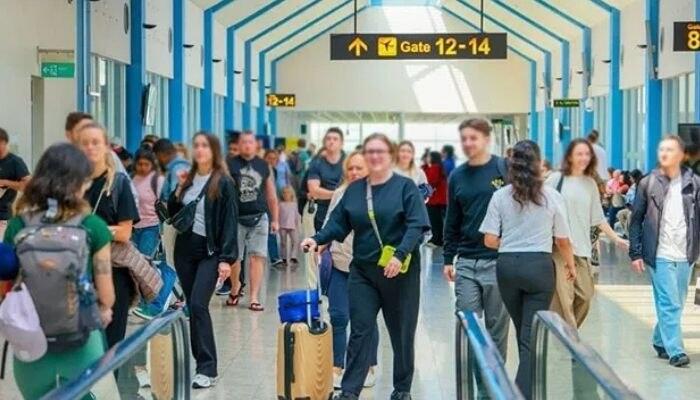
Sri Lanka received 168,625 foreign tourists in October 2026, the highest arrivals recorded for any October, according to the Sri Lanka Tourism Development Authority (SLTDA).
The figure is 2.1 percent higher than October 2025, when 165,193 tourists visited. It also exceeds the 153,123 arrivals recorded in October 2018.
India remained the largest source market, with 62,211 arrivals, or 37 percent of the monthly total. The United Kingdom ranked second with 12,402 visitors, followed by China with 11,190, Australia with 8,509 and Germany with 8,027.
Other leading source markets were Russia with 6,750 arrivals, France with 5,042, Bangladesh with 4,528, the United States with 3,749 and the Maldives with 3,492.
Daily arrivals averaged about 5,440 during the month, the SLTDA said. The highest single-day figure was 7,045, recorded on 17 October, and the week from 15 to 21 October brought the most visitors, at 42,739.
Background
The SLTDA is the state body that compiles and publishes monthly tourist arrival statistics.
Tourism is one of the country’s main sources of foreign currency. The sector was hit hard by the Easter Sunday attacks of 2019 and then by the Covid-19 pandemic, and arrivals have been rebuilding since.
October is generally a quieter month for tourism than the months from December to March, which are usually the busiest period in the Sri Lankan calendar. That makes monthly comparisons with the same month in earlier years the most useful measure.
India has been the largest source market in the latest figures, and its 37 percent share is well ahead of the United Kingdom, in second place, at 12,402 visitors.
What it means
More visitors mean more demand for hotels, guesthouses, restaurants, tour operators, drivers and shops, and more foreign currency entering the country. The October figure is a measure of the early part of the season ahead.
The statistics also show which markets matter most to the industry. With more than a third of arrivals coming from India, flights and visa arrangements between the two countries have a direct bearing on how many people travel.
The authority’s statement did not give a forecast for the coming months.