Sri Lanka is drawing up plans to avoid food shortages that could result from El Niño in the countries that supply its imports, an official said on Monday.
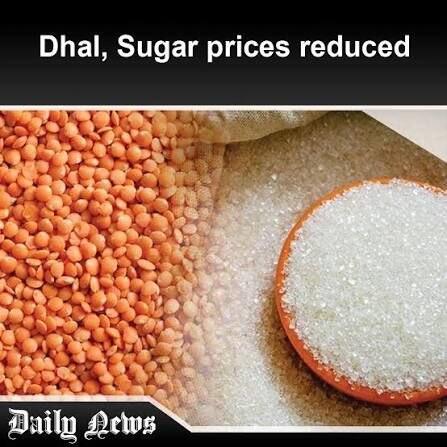
A spokesman for the Essential Commodities Importers’ and Traders’ Association said the country imports items such as dhal, onions, potatoes and sugar. Sugar comes mainly from Brazil, he said, which has become the key supplier after India imposed an export ban. Dhal comes mostly from Australia, with about 20 percent of the cargo from Canada.
“We import whole lentils and split them in our plants in the country,” the spokesman said, adding that a shortage could be averted.
Imports of dhal and sugar have been planned for the next couple of months without any issue, he said. Onions and potatoes are different because they are perishable and arrive weekly, with India now the main source of onions and Pakistan of potatoes.
“We cannot plan for such imports in advance,” the spokesman said. He said there is no issue until January because plans are in place, but the association will have to wait until the end of November to make an assessment in consultation with the Trade Ministry.
He also said freight costs have risen because of the volatile situation in West Asia, and that the price of items such as coriander has gone up as a result.
Background
El Niño is a climate pattern marked by warmer than usual sea surface temperatures in the central and eastern Pacific Ocean. It is generally associated with changes in rainfall and temperature in many parts of the world, which can affect crop yields in some producing countries.
Sri Lanka relies on imports for several staples that are not grown in sufficient quantities at home, including dhal and sugar. Because supply chains for these goods run through a small number of source countries, conditions in those countries can reach Sri Lankan shops through availability and prices.
The association’s account describes two kinds of risk. Bulk goods such as dhal and sugar can be ordered ahead, while perishables such as onions and potatoes are bought on a rolling weekly basis and cannot be stocked.
What it means
For households, the importers’ assessment is that supplies of dhal and sugar should be available at least until January. The picture for onions and potatoes is less certain, since those cargoes are arranged week by week.
Higher freight costs linked to tensions in West Asia are already feeding into the price of some items, according to the spokesman. Shoppers may see further changes in prices if shipping costs stay high, though the association did not give figures.
The next decision point is the end of November, when the association and the Trade Ministry are due to assess the position.