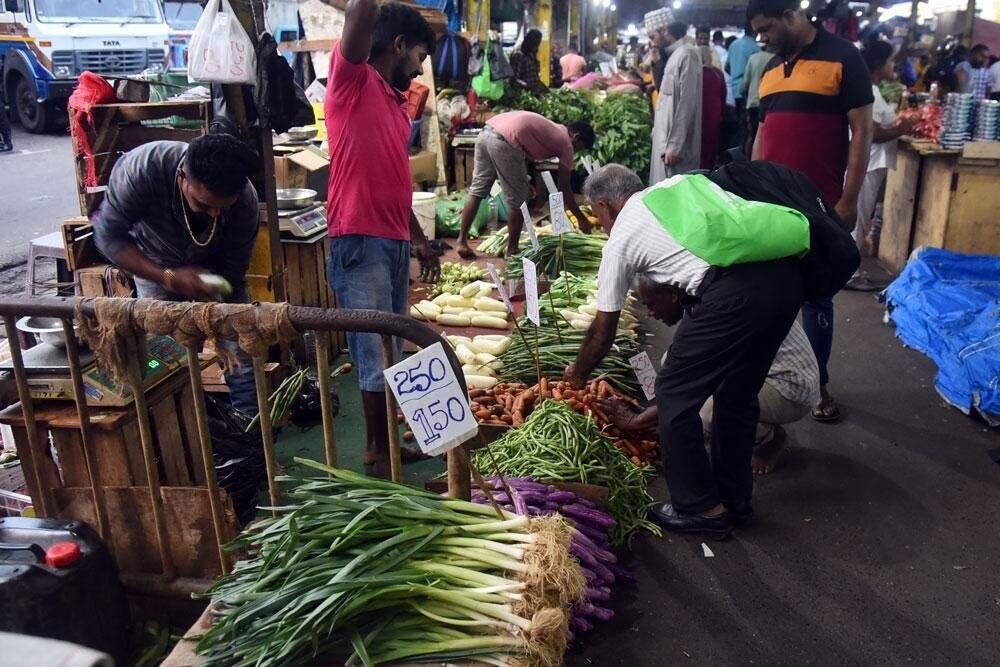
Wholesale prices of tomatoes, capsicum and cabbage have risen sharply in Sri Lanka as rainy weather continues, with tomatoes now selling at between Rs. 600 and Rs. 650 a kilogram.
The wholesale price of a kilogram of tomatoes ranged between Rs. 350 and Rs. 400 last week. Capsicum has gone up from Rs. 250 to between Rs. 400 and Rs. 450 a kilogram, while cabbage has risen from Rs. 150 to Rs. 350 a kilogram.
Anil Indrajith, former Chief Organiser of the Manning Market Traders Union, said the increases were mainly due to the prevailing weather. He said tomatoes had become the most expensive vegetable, with wholesale prices around Rs. 600 a kilogram.
According to Indrajith, beans are currently priced between Rs. 400 and Rs. 500 a kilogram and carrots between Rs. 200 and Rs. 250. Leeks are selling at around Rs. 200 a kilogram, and green chillies at between Rs. 350 and Rs. 400.
Indrajith said prices could rise further in the coming weeks as demand increases ahead of the festive season.
Background
Manning Market in Colombo is the country’s main wholesale vegetable market, and its prices are widely used as a reference by retailers and market traders. Retail prices at neighbourhood shops and fairs are normally higher than wholesale prices because they include transport and the traders’ margins.
Vegetable prices in Sri Lanka tend to move with the weather, since heavy rain can damage crops in the field and make it harder to harvest and transport produce from growing areas. The Department of Meteorology has said that rainfall is expected to increase in several provinces over the next few days as a weather system develops in the Bay of Bengal, and that more than 100 mm of rain is likely in some areas. The department has not linked the forecast to vegetable supplies.
Several of the vegetables named by Indrajith, including cabbage, carrots, leeks, beans and capsicum, are commonly grown in the upcountry areas. The report said prices of several upcountry and low-country vegetables had increased.
What it means
Households that buy vegetables daily are likely to see the rise first at shops and weekly fairs, where prices usually follow the wholesale market with a short delay. The figures quoted are wholesale prices for one kilogram, and the price a shopper pays can differ by location and quality.
The trader’s warning of further increases ahead of the festive season means grocery budgets may come under more pressure over the coming weeks. The figures above are those given by the market representative and were not confirmed by a government agency in the report.