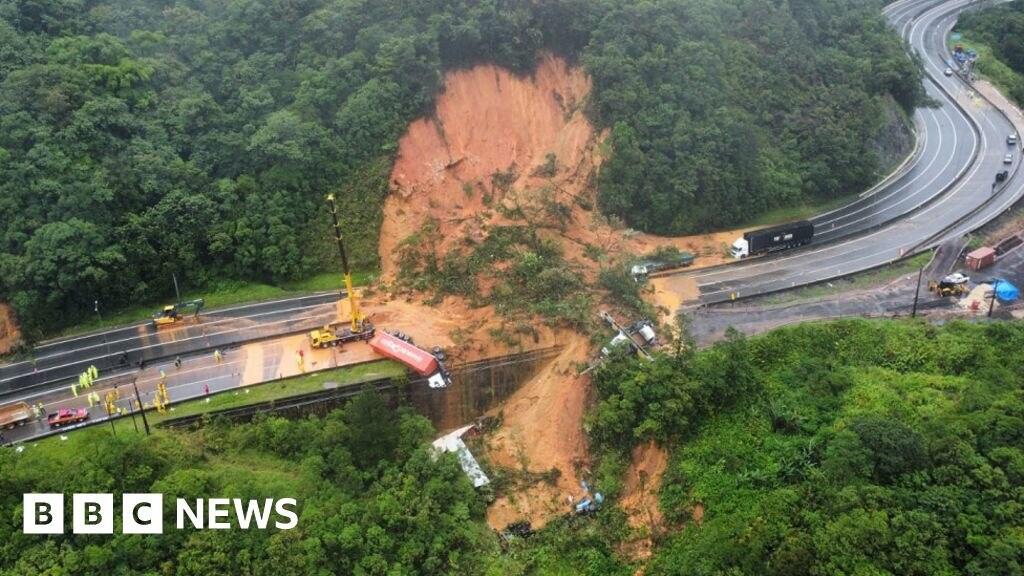
More than 30,000 people living in landslide high-risk areas have been identified and notified of the threat, a senior scientist at the National Building Research Organisation (NBRO) said on Thursday.
Wasantha Senadheera, senior geologist at the NBRO, said residents of medium-risk areas have also been alerted. He was speaking at a special government media briefing on the prevailing weather.
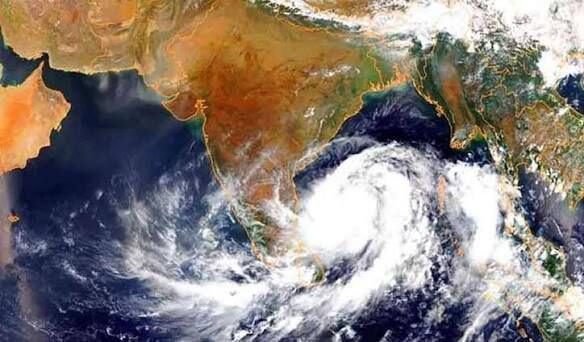
Senadheera said heavy rain after Cyclone Ditwah had raised the risk of landslides in several areas. Signs of possible slides have been observed in some locations, and rocks and soil loosened during the Ditwah disaster could become unstable under the current rainfall, he said.
Landslide alerts have been issued for parts of the Kandy, Nuwara Eliya, Ratnapura, Badulla and Kegalle districts.
Senadheera urged residents of landslide-prone areas to stay alert whether or not the Department of Meteorology or the NBRO has issued a warning. He listed unusual sounds, prolonged heavy rain and cracks in the ground or in buildings as warning signs.
Background
The NBRO is the state agency that assesses landslide hazards and issues landslide warnings in Sri Lanka. Its alerts are normally issued by district and divisional area and are graded by risk level, so residents in the same district may be told different things depending on where they live.
At the same briefing, Department of Meteorology Forecasting Division Director Merril Mendis said a low-pressure area northwest of the island was most likely to move westward. He said it was expected to bring rainfall of more than 100 millimetres to the Western, Sabaragamuwa, Central, North Western and Northern provinces and to the Galle and Matara districts.
Mendis said the effects were expected to continue in those regions through the following day, with rainy conditions likely for several more days. He attributed the unsettled weather to the Intertropical Convergence Zone, a belt of low pressure near the equator where the northeast and southeast trade winds meet.
Another low-pressure system is likely to develop near the Andaman Islands by 23 October, Mendis said. It is not expected to affect Sri Lanka directly, but rain could continue until about 27 October as winds move across the island.
Naval personnel and fishing communities have been told to be cautious at sea over the next few days, particularly in the Bay of Bengal, he said.
What it means
People in the Kandy, Nuwara Eliya, Ratnapura, Badulla and Kegalle districts, and anyone living on or below steep slopes, are the main group at risk while the rain continues. Officials say residents should follow official safety instructions and move if they notice warning signs, without waiting for a formal alert.
Sri Lankans abroad with relatives in these districts may wish to share the NBRO and Department of Meteorology guidance with them. Fishing crews are advised to avoid the Bay of Bengal during the period.