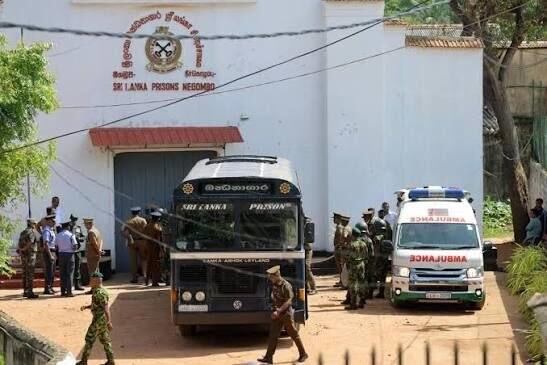
Sri Lanka’s prison population fell from 41,993 on 1 July to 36,925 on 30 September after measures to speed up Government Analyst reports in drug cases, Justice and National Integration Minister Harshana Nanayakkara told Parliament.
The minister said a total of 17,506 Government Analyst reports on drug cases were issued during August and September, as part of efforts to ease overcrowding in prisons. The fall of 5,068 inmates over the three months followed the introduction of the new measures, he said.
Nanayakkara spoke during the parliamentary debate on the Poisons, Opium and Dangerous Drugs (Amendment) Bill, which was taken up for debate on Thursday.
The minister did not say in the reported remarks how the new measures work, or how many of the 17,506 reports led to inmates being released.
Background
In drug cases, the Government Analyst’s Department examines seized substances and issues a report confirming what they are and in what quantity. Courts rely on these reports when deciding how a case proceeds, so delays in issuing them can prolong the time suspects spend in custody.
Overcrowding in Sri Lankan prisons has been a long-running concern, with the number of inmates far above the capacity the facilities were built for. A large share of inmates are held in connection with drug offences.
The Poisons, Opium and Dangerous Drugs (Amendment) Bill, which was before Parliament on Thursday, amends the law that governs the control of such substances in Sri Lanka.
What it means
For families of people held on remand in drug cases, quicker Government Analyst reports can mean faster progress through the courts. For the prison system, a lower inmate count eases pressure on space, sanitation and staff.
The figures are the minister’s statement to Parliament, and the reasons for the decline have not been independently confirmed. Further data on prison numbers after 30 September has not been released.