Wildlife officials and veterinarians are treating and monitoring several sick and injured elephants in different parts of Sri Lanka, in the days after the death of the tusker Kavanthissa.
An elephant known as Agbo was spotted on Sunday afternoon (October 19) by wildlife officials and military personnel in the Nachchaduwa Tank Reserve. Officials said it was in good health and in musth, a period of heightened hormonal activity in male elephants. Wildlife officers in Thirappane are continuing to watch the animal closely.
In the Wewalketiya area of Pihiniyagollewa, Anuradhapura, wildlife officers are giving round-the-clock care to a sick elephant calf, and officials said treatment will continue.
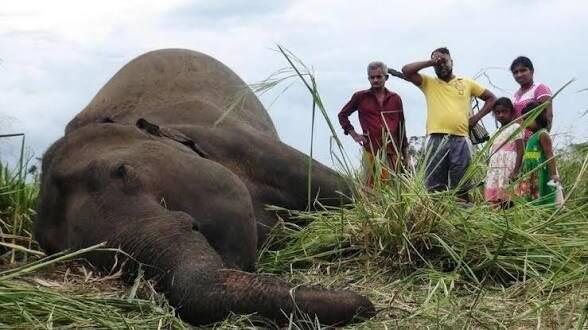
On October 18, wildlife veterinarians Sameera Kalinguarachchi and Dinusha de Silva of the Giritale Wildlife Veterinary Centre treated a male elephant, estimated to be about 12 years old, that had fallen ill and collapsed in a paddy field in the Gallalla area of the Polonnaruwa Flood Plains National Park. Officers in the Polonnaruwa division are providing food and water.
Officials have urged the public not to visit the site. They warned that approaching the animal, or trying to photograph or film it, could increase its stress and obstruct the work of the veterinarians and wildlife officers.
Background
Two other recent cases involve leg injuries. A veterinary team led by Giritale-based officer Sameera Kalinguarachchi recently treated an elephant of about 35 years, standing roughly nine feet six inches tall, that had a gunshot injury to a front leg in the Welikanda area. A team from Pandulagama, Anuradhapura, treated a wild elephant with an injury to its right front leg in the Sippukulama area.
In the Siyambalangamuwa area, an elephant with gunshot injuries was treated on October 15 despite heavy rain. The work was supervised by the Director of Wildlife Health, Dr Ganga Wijesinghe, with veterinarians Dr Chandana Jayasinghe of Pandulagama and Dr Isuru Hewakotta of Nikaweratiya and veterinary surgeons from the Pinnawala Zoological Gardens. Environment Minister Dhammika Patabendi was present to review the elephant’s condition and the conservation measures required.
It was decided to deploy a drone fitted with night-vision technology to track that elephant’s movements after dark, and field officers from the Meegalewa and Galgamuwa ranges were assigned to keep it under observation through the night.
Agbo, also known as the Thirappane elephant, recovered several years ago after wildlife veterinarians and officials treated a gunshot injury that had left it in critical condition in the Thirappane area.
President Anura Kumara Dissanayake has since appointed an expert committee to investigate Kavanthissa’s death and recommend a national elephant conservation programme.
What it means
For residents near elephant habitats, the main practical message from officials is to keep away from sick or injured animals. Crowds and cameras can add to an elephant’s stress and make it harder for veterinary teams to work.
The cases, have drawn attention to the continuing challenges that wildlife officials face in treating and protecting sick and injured wild elephants across the country.