
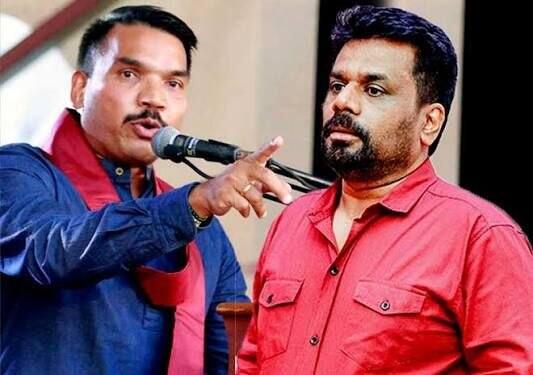
Sri Lanka Podujana Peramuna (SLPP) National Organiser and MP Namal Rajapaksa has accused the government of failing to keep its promise to remove VAT on school supplies, healthcare and essential food items.
He made the remarks in Parliament on 5 November during a discussion with MPs D.V. Chanaka and Chanaka Madugoda.
Rajapaksa said the government had failed over the past two and a half years to introduce effective programmes to reduce the cost of living, ease the financial burden on families and lower the cost of education for schoolchildren.
He said inflation had exceeded 8 percent and was expected to rise further this month.
Commenting on the President’s recent statement that no taxes had been increased during his tenure, Rajapaksa said the government had not delivered on its promise to remove VAT from essential goods and services.
“Instead, they imposed VAT on the interest earned from ordinary people’s savings accounts. They also increased taxes on vehicles and imposed taxes on the IT sector and consultancy services,” he said.
He said the government had spoken about building a strong economy based on the information technology sector, a goal the SLPP also supported. However, he questioned the decision to impose VAT on IT professionals and businesses that were struggling to earn a living without government support.
Background
Value Added Tax (VAT) is a consumption tax charged at each stage of the supply of goods and services and collected by the Inland Revenue Department. Sri Lanka raised its standard VAT rate to 18 percent in January 2024 and extended the tax to more goods and services.
The country is implementing an economic programme backed by the International Monetary Fund (IMF), which includes targets for government revenue. Tax policy has been a point of political argument since the programme began, with parties disagreeing over which taxes should rise or fall and which items should be exempt.
Inflation figures are published monthly by the Department of Census and Statistics, so the figures Rajapaksa cited can be checked against the official releases.
What it means
VAT on items such as school supplies and healthcare affects household budgets directly, especially for families with children in school. Whether VAT applies to a particular good or service depends on the Value Added Tax Act and its list of exemptions, which the Inland Revenue Department publishes on its website.
The remarks are Rajapaksa’s own and reflect his party’s position. The President’s statement that no taxes had been increased during his tenure was the starting point for his comments on VAT on savings interest, vehicles and the IT sector.