
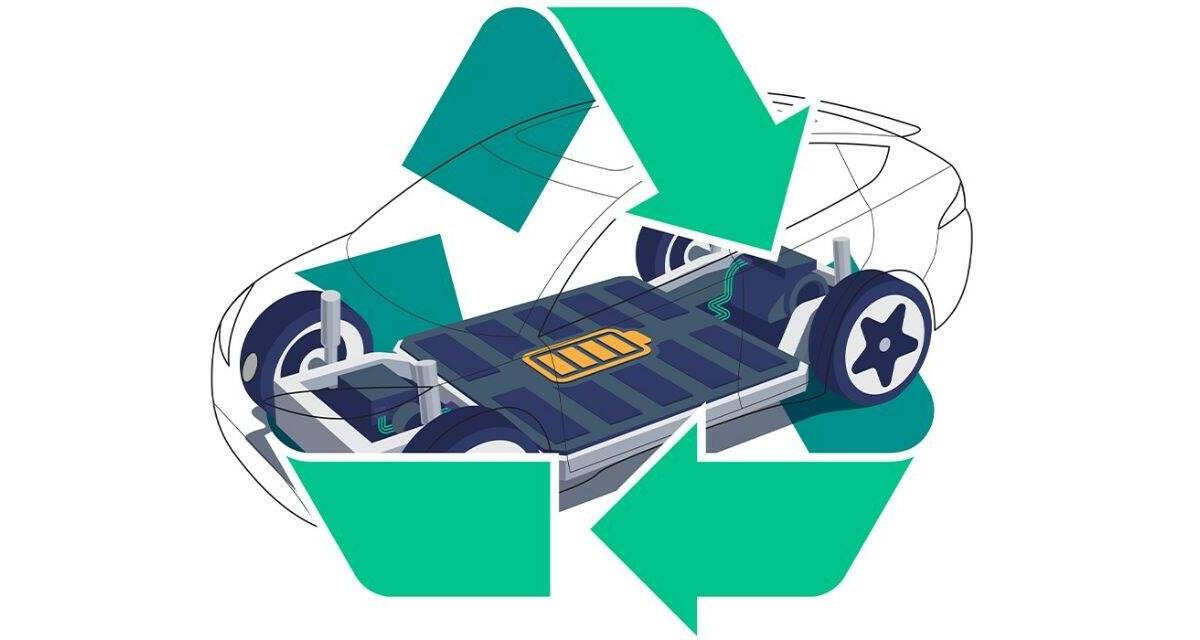
Parliament’s Committee on Ways and Means has called for a proper system to make importers and manufacturers responsible for the safe disposal and recycling of electric vehicle (EV) batteries at the end of their lifespan.
The issue was raised at a recent meeting of the Committee at Parliament under the chairmanship of MP Wijesiri Basnayake. The Committee highlighted that Sri Lanka has no established mechanism for disposing of or recycling used EV batteries.
Members also reviewed the number and value of vehicles imported since the relaxation of vehicle import restrictions, and the tax framework that applies to them. They heard that calculating import taxes is complicated, as it depends on engine capacity, the Cost, Insurance and Freight (CIF) value and excise duty. Concerns about Customs valuation procedures were also raised.
The Committee examined delays in clearing imported goods, which arise because approvals are needed from several government institutions in addition to Sri Lanka Customs. Officials said the lack of an integrated digital system linking the institutions, including the Department of Import and Export Control, creates coordination problems and slows approvals.
The Committee said those delays leave containers at ports for long periods and raise costs for importers through storage and related charges. It stressed the need for better coordination among government agencies and simpler procedures.
Background
Electric vehicles are powered by large lithium-ion battery packs, which lose capacity over time and must eventually be replaced. Without a collection and recycling system, used packs can end up in general waste, where the materials inside them can harm the environment.
The Committee’s discussion followed the easing of restrictions on vehicle imports, which has made the tax treatment of imported vehicles a matter of public interest. Under the current rules, the tax bill on an imported vehicle depends on several factors, which the Committee noted makes the calculation hard to follow.
The Committee also discussed the need to set up suitable Harmonized System (HS) codes, the international codes Customs uses to classify goods, so that electric vehicles are classified and taxed accurately. It spoke of introducing quality standards for electric vehicles and their batteries.
What it means
For buyers and importers, the Committee discussed tax concessions and other policy incentives for electric vehicle imports and use, and said tax policy should be simplified to make such vehicles more accessible to the public. No decision on any concession has been announced.
The Committee also pointed to solar power and battery energy storage as ways to reduce the extra pressure that EV charging could place on the national electricity grid. If the Committee’s proposals are taken up, they could affect the cost of importing a vehicle, how quickly it clears Customs, and what owners must do with a battery once it can no longer be used.


