The Cabinet of Ministers has approved publishing the Public-Private Partnership Bill in the Government Gazette and presenting it to Parliament, according to a Cabinet media statement issued on 19 October.
The proposal was submitted by the President in his capacity as Minister of Finance, Planning and Economic Development. The decision is subject to confirmation at the next Cabinet meeting.
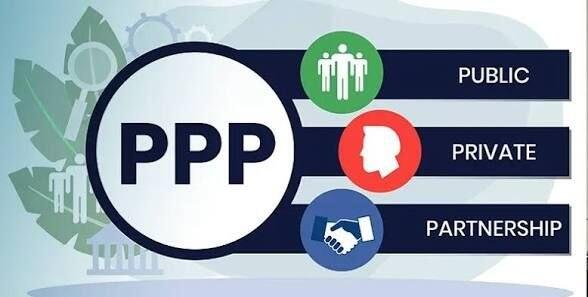
The Bill would set up a legal framework to facilitate and promote public-private partnerships across Sri Lanka. A central feature is the creation of the National Agency for Public-Private Partnerships, which would oversee and drive joint ventures between the public and private sectors.
The Cabinet first approved the proposal to establish such a framework on 2 June 2025. The Legal Draftsman then prepared the draft Bill, and the Attorney General has since cleared its legal validity.
With legal vetting and Cabinet endorsement complete, the Bill is to be gazetted. It will then go to Parliament for debate and approval.
Background
A public-private partnership, often shortened to PPP, is an arrangement in which a government body and a private company share the work of building or running a public facility or service. Roads, ports, power plants, water systems and hospitals are common examples in many countries. The private partner usually provides funding, construction or operating skills, and the arrangement is governed by a long-term contract.
Under the Constitution, a Bill must be published in the Gazette before it can be placed on the Order Paper of Parliament, and citizens are given a period to examine the text and, if they wish, challenge it in the Supreme Court. The gazette notice will therefore show the full text of the proposed law and the powers it would give the new agency.
Until a Bill is passed by Parliament it has no legal force, and its provisions can change during the committee stage or after any court determination.
What it means
If Parliament passes the Bill, joint projects between state bodies and private investors would come under a single legal framework and a dedicated agency, rather than being handled separately by individual ministries and institutions.
The practical effect for the public will depend on the final text, including how projects are selected, how contracts are made public and how the agency is held accountable. Readers will be able to read the draft once it appears in the Gazette.