
A preliminary draft of the National Action Plan to manage the human-elephant conflict is due to be submitted to the Parliamentary Oversight Committee by 20 December 2026.
The deadline was set at a special progress review and policy discussion held in Parliament on Friday, 20 November, chaired by Deputy Environment Minister Anton Jayakody.
The plan is meant to address the conflict by weighing scientific, socio-economic and environmental factors, while protecting wild elephants and the safety and livelihoods of the people affected.
Members of the Parliamentary Oversight Committee, experts on the Working Committee that is drafting the plan, and officials of relevant state institutions attended. Opening the meeting, Jayakody said the progress of the Working Committee needed to be reviewed and clear timelines set for the remaining work.
The Working Committee’s chairman, Environment Ministry Additional Secretary (Development) D.P.C. Udaya Kumara, presented an update on its work. Elephant expert Dr Prithiviraj Fernando briefed participants on the conceptual framework of the proposed plan.
Proposals discussed included dealing progressively with unauthorised human activity inside protected areas, and improving elephant habitats through conservation and enrichment programmes that provide enough food and water.
Jayakody also gave a detailed update on the Department of Wildlife Conservation’s work on building and maintaining electric elephant fences, setting up guard posts and running elephant control units across the country.
It was also decided to hold a meeting of all relevant stakeholders after the preliminary draft is submitted, so that the National Action Plan can be finalised.
Background
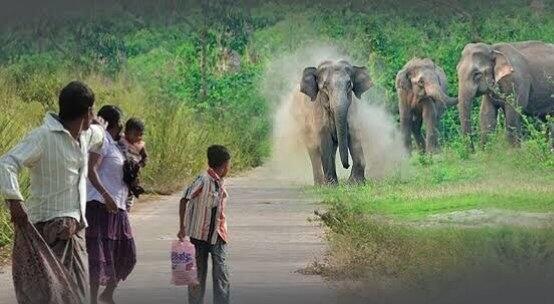
Human-elephant conflict is a long-running problem in Sri Lanka. Elephants raid crops and enter villages, and people and elephants are killed in clashes every year, mostly in rural districts close to forests and protected areas.
The Department of Wildlife Conservation is the main state agency responsible for wild elephants. Electric fences, guard posts and elephant control units, which the Deputy Minister described at the meeting, are among the tools it has used to keep elephants away from farmland and homes.
The Parliamentary Oversight Committee, to which the draft will go, reviews the work of state bodies and policy proposals in its area.
What it means
For farming families in areas where elephants are active, the plan is intended to set out measures covering both safety and livelihoods. Nothing in the plan has been finalised, and the December draft is only the first stage.
After the draft is submitted, stakeholders are to meet to settle the final plan. Villagers, farmers and conservation groups will be watching what the plan says on habitat protection and on fences and other protective measures.


