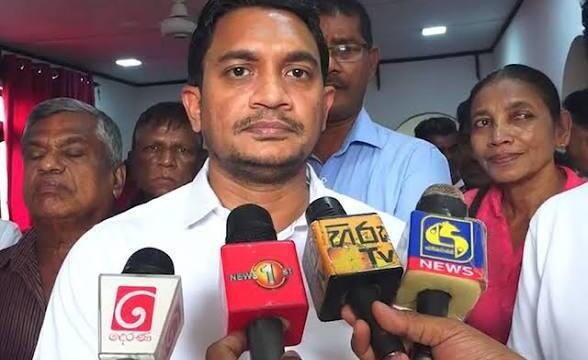
Patients at private hospitals and medical centres are at risk because of a shortage of essential and life-saving medicines, Consultant Physician Dr. Chamal Sanjeewa has warned.
Dr. Sanjeewa, who is President of the Medical Professionals’ Alliance for Medical and Civil Rights, said several medicines needed to treat patients in emergencies were currently unavailable in the private sector.
He said the shortage affected medicines that private hospitals, nursing homes and medical centres are required to keep in stock. The medicines he named were IV Adrenaline, Atropine, IV Piriton, IV Ondansetron, IV Maxolon, IV Phenergan and IV Hydrocortisone.
Dr. Sanjeewa blamed the shortage partly on suppliers and manufacturers who had failed to maintain regular supplies. He also accused the National Medicines Regulatory Authority (NMRA) of failing to properly register the suppliers needed to bring medicines into the country.
He said the shortage had made it difficult for private medical institutions to hold emergency stocks. Doctors could face serious difficulty in saving patients who suddenly develop severe allergic reactions or cardiac problems if these medicines are not available, he warned.
Dr. Sanjeewa urged the Ministry of Health and the NMRA to act immediately to ensure a regular supply of essential medicines to private hospitals and medical centres.
Background
The NMRA is the State body that regulates medicines in Sri Lanka. A medicine generally has to be registered with the authority before it can be imported and sold, and importers must be licensed, so delays in registering a supplier can affect what reaches pharmacies and hospitals.
The medicines Dr. Sanjeewa listed are injectable drugs that are generally kept in emergency trolleys and treatment rooms. Adrenaline and hydrocortisone are commonly used in the treatment of severe allergic reactions, while Piriton and Phenergan are antihistamines. Atropine is used in some heart rhythm emergencies, and Ondansetron and Maxolon are given to control severe nausea and vomiting.
Private hospitals, nursing homes and medical centres treat a large number of outpatients and emergency cases in Sri Lanka alongside the State hospital network. Dr. Sanjeewa’s warning concerned the private sector only.
What it means
For patients, the warning means that a private hospital or medical centre may not always hold every emergency injection that doctors would normally expect to have within reach. People with known severe allergies or heart conditions may wish to ask their doctor or hospital about the availability of emergency treatment.
Whether stocks recover depends on suppliers delivering regularly and on the registration of the suppliers who bring these medicines into the country. Dr. Sanjeewa has asked the Ministry of Health and the NMRA to act, and no timeline for restoring supplies was given.