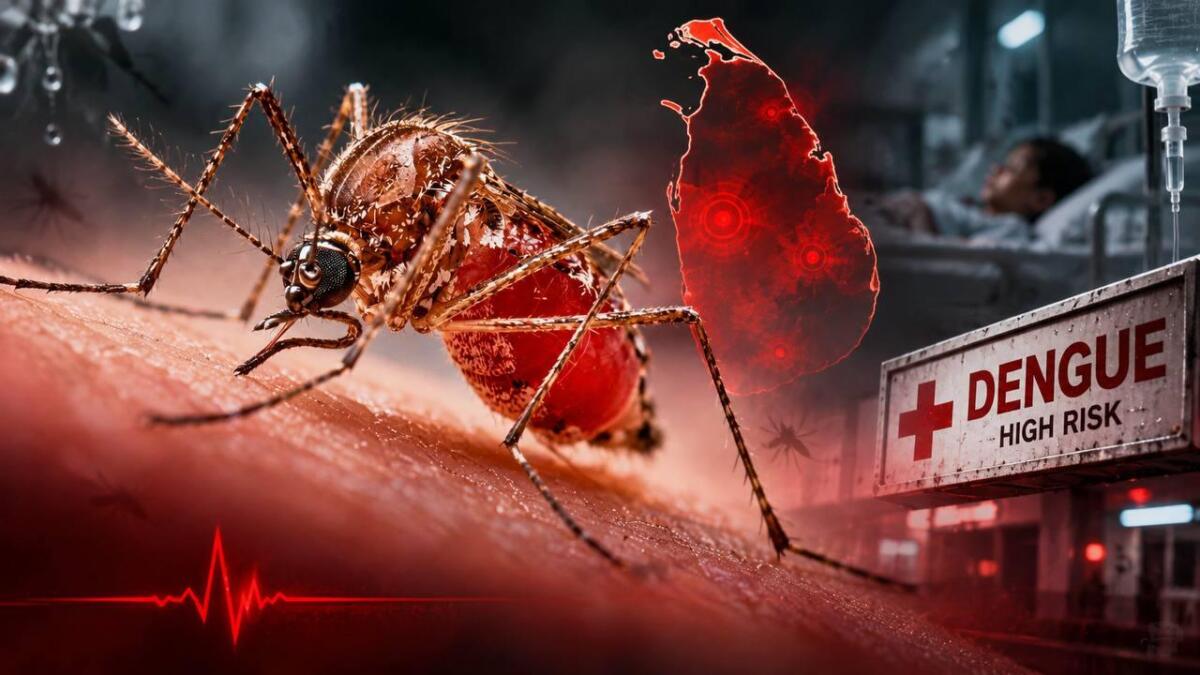
The National Dengue Control Unit will run a special dengue prevention programme in 74 Medical Officer of Health (MOH) divisions across 13 districts from 9 to 14 November.
The Unit said the programme follows an increase in dengue cases in several parts of the country. It will target areas identified as high-risk on the basis of entomological data, which is information on the mosquitoes that spread the disease and where they breed.
Acting Director of the National Dengue Control Unit Kapila Kannangara said cases have risen in the Western, Southern, Sabaragamuwa, Uva, Northern, Eastern and Central Provinces. The operations will focus on the selected MOH divisions in those provinces.
The Unit said about 105,500 dengue cases have been reported across Sri Lanka so far, and 79 dengue-related deaths have been recorded.
The Unit did not list the 13 districts or the 74 divisions in the announcement.
Background
Dengue is a viral illness spread by Aedes mosquitoes. It does not pass directly from one person to another. The mosquitoes breed in small collections of clean standing water, such as discarded containers, flower vases, blocked roof gutters and old tyres.
Control work in Sri Lanka usually relies on finding and removing these breeding sites. Public health inspectors and local officials visit homes, schools, construction sites and public places to check for mosquito larvae, and householders can be asked to clean up their premises. The national figures are published by the Epidemiology Unit and the National Dengue Control Unit under the Ministry of Health.
The Unit’s figures give the cumulative number of cases for the year so far, not the number of people currently ill.
What it means
Residents of the selected MOH divisions can expect health teams to carry out inspections during the week of the programme. Householders can reduce the risk by emptying and cleaning containers that collect water around the home and by keeping gutters clear.
People who develop a fever, particularly with body aches, severe headache or pain behind the eyes, are generally advised by health authorities to see a doctor early and to avoid taking medicines that are not prescribed. Sri Lankans who plan to travel home in the coming weeks should be aware that cases have increased in several provinces, according to the Unit.