Sri Lanka has recorded 105,097 dengue cases and 79 deaths so far this year, the National Dengue Control Unit said.
Health authorities have identified a further 28 Medical Officer of Health (MOH) divisions as high-risk zones for dengue transmission.
The Western Province remains the worst affected area with 54,673 cases, which is 52.02 percent of the national total. Gampaha District has reported the most cases at 22,053, followed by Colombo with 20,384, Kandy with 8,378 and Kalutara with 6,592.
A total of 4,377 cases were reported in the first 25 days of October alone, according to the figures released on 26 October.
Background
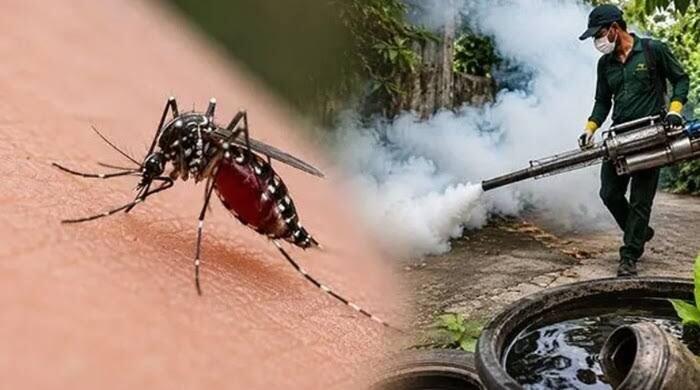
Dengue is a viral disease spread by Aedes mosquitoes, which breed in clean, stagnant water. Common sites include blocked roof gutters, discarded containers, flower pots, tyres and coconut shells that collect rainwater.
Symptoms usually include sudden high fever, headache, pain behind the eyes, muscle and joint pain, and sometimes a rash. There is no specific antiviral treatment, and care focuses on rest, fluids and monitoring by a doctor. Medical authorities generally advise anyone with a fever lasting more than a day or two to see a doctor rather than take medicine at home, because some patients can deteriorate quickly around the third to sixth day of illness.
The Medical Officer of Health divisions designated as high-risk are those where the Dengue Control Unit has found conditions that favour transmission. Public health inspectors and local authorities usually step up inspections and clean-up campaigns in such areas.
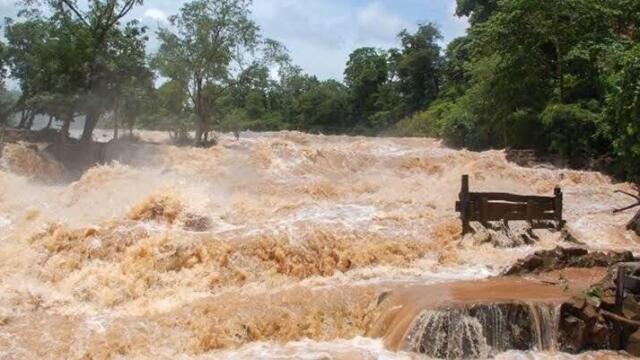
The figures were published as heavy rain and flood warnings affected a large part of the island this week. Rainfall can leave water in containers and drains that may later become breeding sites, so the weeks after heavy rain are commonly a period of closer attention for health officials.
What it means
Residents of Gampaha, Colombo, Kandy and Kalutara, and of the newly named high-risk divisions, can expect more inspections of homes, schools, workplaces and construction sites. Householders can reduce the risk by emptying and cleaning containers that hold water, covering water tanks and keeping gutters clear.
Families who see signs of dengue, especially in children and older people, should seek medical advice early. Sri Lankans abroad who plan to visit relatives in the Western Province in the coming weeks may wish to use mosquito repellent and sleep under nets or in screened rooms, as mosquito bites are the only way the virus is spread by the Aedes mosquito.