Influenza cases have increased across Sri Lanka over the past three to four weeks, Chief Epidemiologist Dr. Palitha Karunapema said, urging the public to take precautions against the viral respiratory illness.
Speaking at a media briefing at the Health Promotion Bureau on Wednesday, Dr. Karunapema said surveillance systems had detected a noticeable rise in cases in recent weeks.
He said influenza commonly causes fever, cough, cold, sore throat and body aches. Most patients recover within three to four days with appropriate treatment and without serious complications, he said.
Dr. Karunapema warned that pregnant women, young children, elderly people and those with non-communicable diseases such as diabetes, heart disease and kidney disease face a greater risk of severe illness.
People with symptoms have been advised to seek medical attention at a government hospital or from their nearest healthcare provider. Schoolchildren and working adults who develop symptoms have been advised to stay at home for several days, rest adequately and avoid spreading the virus to others.
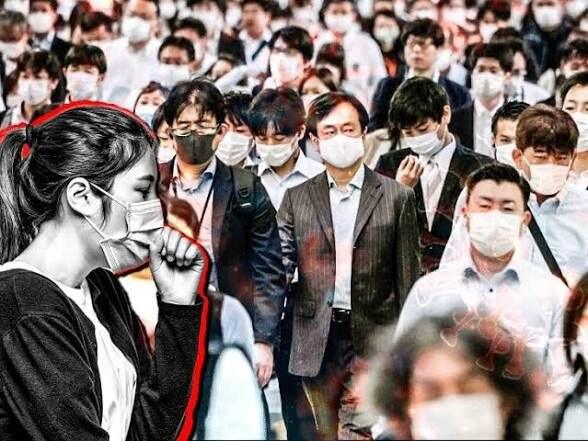
Influenza spreads mainly through respiratory droplets released when infected people cough or sneeze, Dr. Karunapema said. It can also spread through contaminated surfaces.
Background
Influenza is caused by influenza viruses and is a different illness from the common cold, although the two share some symptoms. Cases of seasonal influenza are recorded in many countries each year, and the number of cases can rise and fall across the year.
Health authorities in Sri Lanka monitor respiratory illnesses through surveillance systems, which is how rises in cases are detected. The Epidemiology Unit of the Ministry of Health is the national body responsible for tracking and responding to communicable diseases.
Fever is also a symptom of dengue, which Sri Lanka records regularly. For that reason, people with a persistent or high fever are generally advised to see a doctor instead of treating themselves at home.
What it means
For families, the advice from health authorities is to keep sick children away from school and to stay home from work when ill, which helps limit spread in classrooms and workplaces. Anyone in a higher-risk group who develops symptoms is advised to seek medical care.
Sri Lankans travelling home or preparing to travel may also wish to follow the same precautions, such as covering coughs and sneezes and avoiding contact with others while unwell, particularly when visiting elderly relatives.